
























































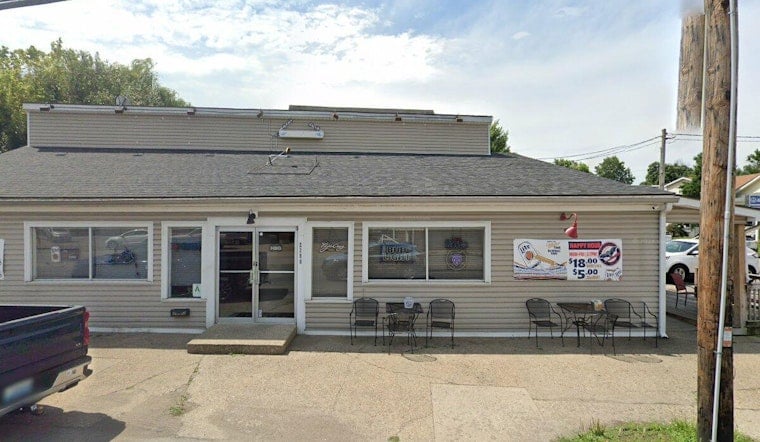
Louisville has quietly leaned on emergency liquor license suspensions to sideline a dozen bars, restaurants and even an American Legion post, a blunt public safety tool that city officials argue prevents violence and that business owners describe as punitive and shortsighted. The simmering debate boiled over after a run of late night fights and two shootings in the Highlands, putting the city’s busiest nightlife corridors under a harsh spotlight.
Records show 12 emergency suspensions since 2024
Documents obtained through an open records request show Louisville Metro Alcoholic Beverage Control has issued 12 Emergency Suspension Orders since the city expanded the agency’s authority in 2024, giving regulators power to temporarily halt alcohol sales while alleged violations are investigated, according to Spectrum News. The records list bars, liquor stores, restaurants and an American Legion post among the businesses hit with orders, and indicate that most later reopened after agreeing to conditions set by ABC.
Why Atomic was shut down
The highest profile case involved Atomic on Bardstown Road. Metro ABC issued an Emergency Suspension Order on June 23 after fights that police say escalated into two nearby shootings on June 21, and regulators also cited earlier problems including fights and overcrowding, as reported by WDRB. ABC director Brad Silveria wrote that “insufficient security resources prevented the establishment from controlling the large number of patrons on site” and that staff “mishandled the altercation,” according to the report.
Terms for reopening: cameras, off duty officers and earlier closing
Getting the taps flowing again has usually required concrete security changes. Businesses have agreed to earlier closing times, to hire off duty police officers and, in several cases, to grant Louisville Metro Police real time access to exterior cameras through the city’s Connect Louisville initiative, as documented in city records and reported by Business First. Atomic reached an agreed order to reopen without admitting wrongdoing after accepting new restrictions and camera access, local reporting shows.
Owners say the city is scapegoating bars
Many bar owners and regulars have pushed back, arguing that the city is blaming venues for behavior that often spills into sidewalks, streets and parking lots, and is not tied to the clientele of any one spot. Atomic co owner Dustin Hensley accused officials of racial bias after the suspension, while other operators warned that shutting down one club simply moves the crowds and the risk somewhere else along the block, as reported by Louisville Public Media.
What the law allows and the next steps
Louisville’s code gives the ABC administrator authority to immediately suspend or revoke licenses when continued operation would “jeopardize the health, welfare, safety, and/or security of the community,” and it requires an expedited hearing within three business days. Licensees may appeal decisions to the Kentucky ABC board. The ordinance creating those emergency powers came in a 2024 amendment to the local Alcoholic Beverage Control chapter, and the city code lays out the specific grounds and the appeal process, according to the Louisville Metro Code.
A blunt tool with mixed results
City officials say emergency suspensions are a faster, less disruptive option than drawn out revocation fights, and that most businesses eventually comply and reopen with added safety measures in place. Critics counter that the tactic is largely performative unless Louisville also tackles broader issues such as crowd control and police staffing in nightlife districts. The Courier-Journal reporting outlines both the official rationale and the growing community pushback as the city tests whether pulling liquor licenses in emergencies truly reduces violence.
According to the Centers for Disease Control and Prevention's review 'The Effectiveness of Limiting Alcohol Outlet Density As a ...' (cdc.gov), most studies found that greater outlet density is associated with increased alcohol consumption and related harms. The Centers for Disease Control and Prevention notes in 'Alcohol Outlets, Neighborhood Retail Environments, and ...' (CDC (.gov)) that alcohol outlet density has been associated with increased pedestrian injury risk and has been linked to violent injury in some studies.





