

























































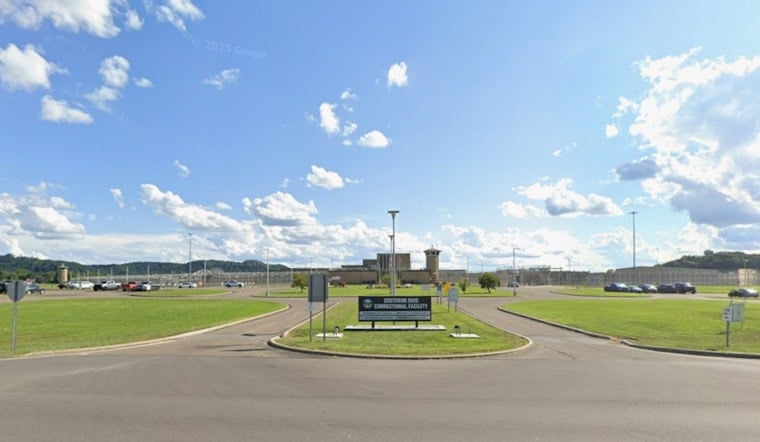
Jacky Robinson Jr., an inmate at the Southern Ohio Correctional Facility in Lucasville, says he is once again refusing food, this time in a renewed protest over the spread of synthetic drugs inside Ohio’s prisons. Robinson, who is serving a life sentence, told reporters he began his second hunger strike on Saturday morning, July 25, and that he hopes the extreme step will draw enough attention to launch an awareness program he wants to start and lead about contraband entering facilities. His protest comes as families and prison staff increasingly describe drug use behind bars as a worsening safety crisis for both incarcerated people and employees.
Robinson’s latest strike and past protests
Robinson says he stopped eating on Saturday morning, marking what he describes as his second hunger strike. His first, according to reporting, took place in April 2025 at Mansfield Correctional Institution. As reported by The Cincinnati Enquirer, Robinson frames his latest action as a blunt way to force attention on what he calls an unchecked drug problem and to pressure officials to act. Family members and advocates on the outside say hunger strikes are often a last-resort tactic when other complaints about medical care and safety have gone nowhere.
Why inmates say they’re desperate
A yearlong investigation by Ohio newsrooms and The Marshall Project found that paper soaked with synthetic cannabinoids, commonly called K2 or “tune,” inside prisons, is now the most frequently discovered drug and has been tied to a rising number of overdoses and chaotic incidents. According to that reporting, corrections staff have recorded tens of thousands of drug seizures since 2020, a number investigators say shows how deeply entrenched the contraband trade has become. Those findings form the backdrop for Robinson’s protest and echo the concerns others have raised about safety inside Ohio facilities and the speed of medical response when people overdose.
How the department treats hunger strikes
Rules for the Ohio Department of Rehabilitation and Correction spell out what is supposed to happen when a prisoner refuses food. Behavioral health staff is instructed to evaluate hunger strikers after three days without meals, and inmates are to be admitted to the infirmary after five days of refusing food, with the option to move them to single cells where they still have water and ongoing chances to eat. Court filings describe those steps and note that the department may provide treatment, including involuntary medical treatment, if an inmate faces a substantial likelihood of serious physical harm, according to a filing in the Ohio Supreme Court. On paper, the policy is meant to balance preserving life with protecting the legal rights of people in custody.
State response and what to watch next
Ohio has poured millions of dollars into anti-contraband measures, including taller perimeter fences, drone detection systems, body scanners and a mail-processing center that screens roughly 158,000 pieces of mail a year. Even so, investigators say those upgrades have not shut down the drug pipeline and that prison staff remains a key route for smuggling. The same yearlong reporting that highlighted synthetic drug overdoses also documented that many suspected employee smugglers are never prosecuted, a gap critics say undercuts any tough-on-contraband message. As Robinson’s strike continues, observers are watching medical logs, disciplinary records and any moves from prosecutors for signs of how the system will respond.
Legal implications
Hunger strikes immediately raise policy and legal questions for prison officials. Medical staff are required to document every meal offered, track vital signs and, if necessary, move an inmate to infirmary observation and act before damage becomes irreversible, according to federal filings that describe the ODRC hunger strike protocol. Advocates argue that forced feeding or other involuntary treatment carries serious constitutional and ethical concerns and often triggers legal challenges that can shape how aggressively officials intervene. Any decision to compel treatment in Robinson’s case would likely invite both courtroom scrutiny and public debate.
For now, Robinson’s strike functions as a deeply personal protest and a test of Ohio’s evolving response to a sprawling contraband problem. Prison officials did not immediately respond to requests for comment in the initial coverage, and Robinson’s family and advocates say they are watching his condition closely. Any official statements, medical interventions, or new court filings could quickly change the status and stakes of his protest.



