

























































A normally quiet Marine on St. Croix council meeting turned into a full-blown showdown on July 9 after council member John Goodfellow admitted he was the one who removed the village’s POW/MIA flag. Neighbors packed into the room, some calling on him to resign and others demanding a clear response from the rest of the council. Village leaders say the incident is under active investigation and that Marine on St. Croix is moving ahead with legal steps.
How police say it happened
According to a Washington County Sheriff’s Office report, surveillance footage showed a man at the Security State Bank parking area lowering the flags on the pole, removing the POW/MIA banner, then raising an American flag in its place. Deputies say the swap happened around 9:20 p.m. on May 15. The missing POW/MIA flag later turned up on a desk at Village Hall on May 26.
The report and follow-up coverage state that Goodfellow admitted taking the flag and told investigators he viewed it as an act of “civil disobedience” meant to spark discussion. He later told reporters he regretted the move, according to the Pioneer Press.
Who Goodfellow is
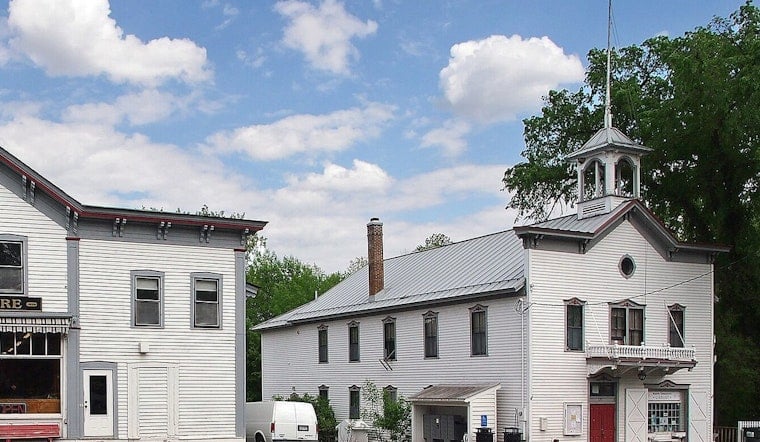
Goodfellow is listed on the city’s official roster as a sitting council member whose current term runs through 2028 and who also serves on Marine on St. Croix’s Economic Development Authority, according to the city website. The municipal site notes that Village Hall, at 121 Judd Street, is the regular venue for council meetings and public business, including the meeting where residents aired their frustrations and demands.
Why the POW/MIA flag matters
The POW/MIA flag represents the National League of Families and has long stood as a symbol of the nation’s commitment to service members who are prisoners of war or missing in action. In 1990, Congress formally recognized it as a national symbol, elevating it far above the level of a routine decorative banner.
Federal law and guidance spell out when and where the flag should fly, giving it specific legal weight and ceremonial importance. That designation appears in 36 U.S.C. § 902, codified in the U.S. Code, and the flag’s origins and history are detailed by the National POW/MIA Memorial & Museum.
Council reaction and legal next steps
At the July 9 council meeting, several residents directly urged Goodfellow to step down, while council members warned the controversy could carry reputational damage and financial fallout for the village, including potential legal bills. Officials told reporters that the city is pursuing charges and that Goodfellow has a court hearing set for October, according to the Pioneer Press. Some residents also floated ideas like installing an additional flagpole or tightening downtown security while the matter plays out.
What started as a late-night flag removal has turned into a broader debate about symbolism, protest and how elected officials conduct themselves. For now, the council and local prosecutors will chart the next steps, with the October hearing looming as the key date before any final decisions on charges or penalties are made.





