

























































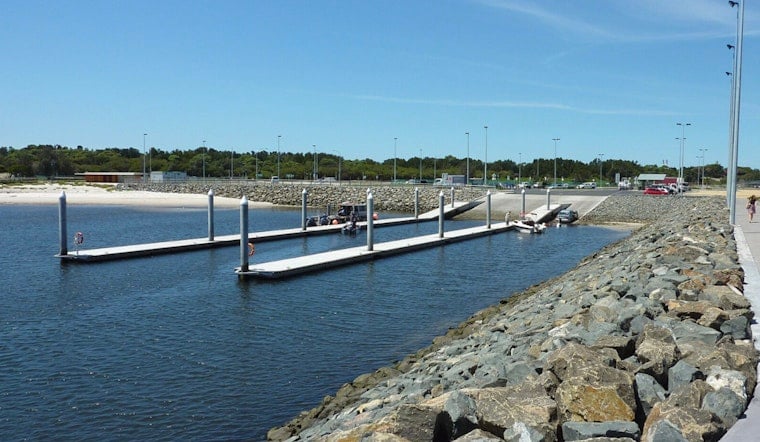
On Maui’s north shore, a volunteer-led nonprofit is trying to pull a critical piece of ocean infrastructure back from the brink. After storm damage and years of neglect, the Māliko Bay boat ramp, a concrete launch built in the 1970s and long used by local fishers and rescue crews, was partially torn away during a Kona low in March. Organizers say it now needs an estimated $1 million to fully rebuild.
Who’s leading the push
Nā Maka o Māliko, a coalition of boaters, community advocates and lineal descendants, has taken over management of the bay and says it holds a long-term lease on the site. As reported by Hawaii News Now, longtime fisher Ben Walin called Māliko “a critical spot” for rescues because Kahului’s nearest launch is nearly nine miles away. Organizers also point out that a public-access easement granted decades ago lapsed in 1997, leaving responsibility for basic upkeep murky at best.
Why Māliko matters
The ramp has long been a go-to staging point when craft are disabled or people are injured offshore, which means even small setbacks turn into big operational headaches for island responders. The Maui News has documented multiple rescues and tows that relied on the Māliko boat ramp, underscoring how reduced access can slow or complicate emergency response when time is the one thing no one can afford to waste.
Funding and county support
Nā Maka o Māliko estimates a full rebuild will cost about $1 million. The County of Maui has already executed a $15,000 cleanup grant to the group this year, and organizers are now asking for donations and volunteer labor to help close the gap. As Hawaii News Now notes, community work days are planned to remove debris and illegal dump sites while the group pursues larger grants.
On the policy side, the Maui County Council has amended the FY2026 budget to add conditional language for Nā Maka o Māliko, a move that signals support from local officials even as the hard work on the ground is left to volunteers. The council agenda and meeting packet are available through Maui County.
How the community will work
The group’s website frames the effort in three words, “Clean. Restore. Return.” It includes a sign-up for community work days that organizers say will start with trash removal and shoreline clearing before anyone talks about pouring new concrete. Nā Maka o Māliko says it will coordinate those volunteer efforts with county and state agencies while it seeks permits, engineering support and additional funding. The organization’s goals and event details are posted on its site, turning the ramp’s revival into a very public, very local project.
History and what’s next
Local histories note that a concrete ramp was installed in the mid-1970s, creating one of the north shore’s few public launches and a vital access point for fishing and cultural practice. For now, organizers are focused on immediate cleanup and stabilization. The longer-term rebuild, they say, will hinge on engineering work, permitting and additional grants or partnerships before the ramp can return to full service as the north shore lifeline it has been for decades.





