

























































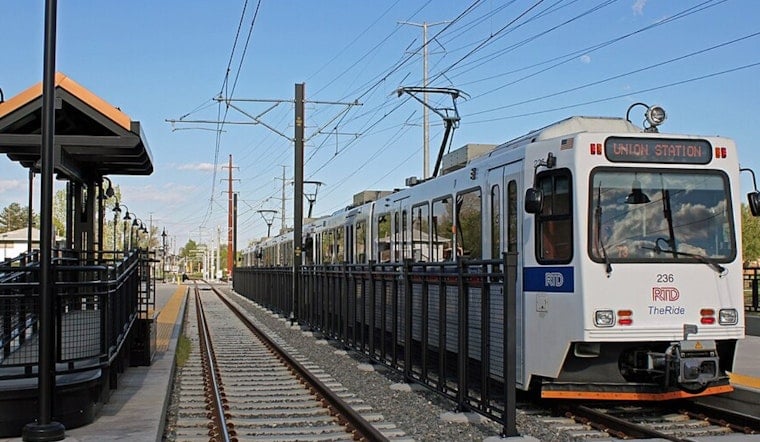
Friday’s rush-hour rides on RTD’s southeast light-rail corridor turned into a waiting game, as the agency warned that its E, R and temporary T lines were all facing major delays after a mechanical issue. Trains on those routes could be held up as long as 45 minutes, with the service alert listed as in effect until further notice. Commuters traveling across southeast Denver were left padding their schedules while crews worked to clear the problem.
What RTD Posted
In a brief alert on X, RTD told riders that the “E Ln, R Ln & T Ln [are] experiencing up to 45 minute delays due to a mechanical issue,” tagging the notice as Service Alert #80538. An earlier reply in the agency’s thread had put the slowdown at about 20 minutes, before the warning was updated to reflect the longer waits. According to RTD on X, the alert would remain in place until further notice.
Why The T Line Is Running
The temporary T Line is a summer add-on, rolled out in June to keep people moving while RTD handles downtown rail reconstruction and tweaks schedules on other southeast routes. In its June service-change announcement, RTD explained that the T Line runs between Lincoln Station and I-25•Broadway, and that E and R timetables were adjusted to preserve rider connections. That setup means one mechanical problem in the corridor can ripple through the network and turn into much longer waits across the system. As outlined by RTD, the changes were intended to maintain service during construction and keep trains and riders moving.
Rider Impact And Reliability
Riders and transit advocates have already spent much of this summer grumbling about slow zones and capacity limits that make any single mechanical hiccup feel like a full-on shutdown, especially during peak hours. Local reporting has documented those complaints and tied them to longer-than-usual trip times on the E and R corridors, which helps explain why today’s mechanical issue ballooned into such lengthy delays. As reported by Westword, advocates have been pressing RTD for clearer communication and faster repairs as slow zones stretch travel times.
How To Get Updates And Alternatives
RTD is urging riders to check its Service Alerts page or the NextRide app for live updates, and to sign up for text or email notifications for the affected lines. In the meantime, riders are being advised to budget extra travel time, look at bus routes that parallel the light-rail corridor, or switch to alternate rail lines where that is an option. For the latest notices and sign-up links, see RTD.
This story will be updated if RTD releases more information. Until crews clear the mechanical issue, expect continued disruption on the E, R and T corridors and some ripple delays across southeast Denver.





.JPG)