

























































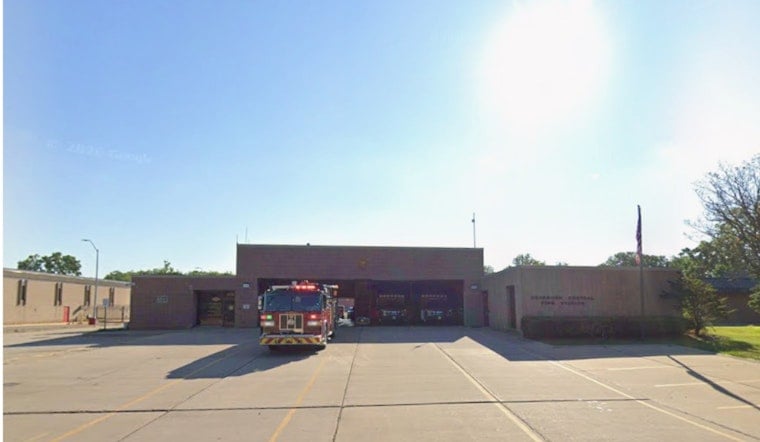
A 16-year-old boy in Melvindale was found dead inside a home after a portable generator was running in the basement, authorities said, a carbon monoxide accident that has shaken the city. Melvindale police are investigating, and crews from the Dearborn Fire Department responded to a house on Wood Street near Allen Road where the teen was discovered. Officials said his death was caused by carbon monoxide poisoning, a silent and odorless hazard that can build up quickly in enclosed spaces. City leaders have called the loss tragic and said the community is mourning.
Officials: Generator Was Running Inside
According to WXYZ, Dearborn Fire Chief Joseph Murray said firefighters who went to the house found a portable generator operating in the basement and used the scene to drive home a familiar warning: never run generators inside homes or attached garages. “It should always be outside, at least 20 feet away from the house,” Murray told the station, stressing how critical it is to have working carbon monoxide detectors in place. The Melvindale police chief also called the situation tragic and said the city had lost one of its sons, according to the station.
What Public Health Agencies Advise
Federal guidance has long been clear: portable generators and other gasoline-powered equipment must be used outdoors, at least 20 feet from doors, windows and vents, and never inside basements or garages. According to Centers for Disease Control and Prevention, carbon monoxide is colorless and odorless and can cause sudden illness or death, and households should keep battery-operated or battery-backup CO detectors near sleeping areas. If an alarm sounds or people develop symptoms such as headache, dizziness, or nausea, the CDC advises leaving the building immediately and calling 911 or the Poison Control Center.
How Many Deaths Are Linked To Generators?
Portable generators remain a stubbornly deadly problem nationwide. According to Consumer Product Safety Commission, at least 1,332 fatalities associated with portable generators occurred from 2004 through 2021, an average of roughly 74 deaths per year. The agency has repeatedly urged stronger safety standards to reduce that toll and noted that many fatal incidents involved generators placed too close to homes or carbon monoxide alarms that were absent or not functioning.
Simple Steps To Protect Your Household
Fire and health officials say a few basic habits can save lives: keep generators outside and downwind from the home, install and regularly test carbon monoxide detectors on every level, and never operate fuel-burning equipment in basements, garages or other enclosed spaces. According to Michigan Department of Health and Human Services, residents should follow manufacturer instructions, use heavy-duty outdoor-rated cords, and never backfeed household wiring by plugging a generator into a wall outlet. If anyone feels dizzy, weak, or confused while a generator is running, officials say to get to fresh air immediately and call for emergency help.
Investigation Continues
Melvindale police are continuing to investigate and have not released the teen’s name, and officials said the whereabouts of his parents at the time of the incident were unclear. Authorities did not immediately provide additional details as the investigation continues. Officials say they hope the tragedy will serve as a sobering reminder of the risks of indoor generator use and the lifesaving value of functioning carbon monoxide alarms, according to WXYZ.



