

























































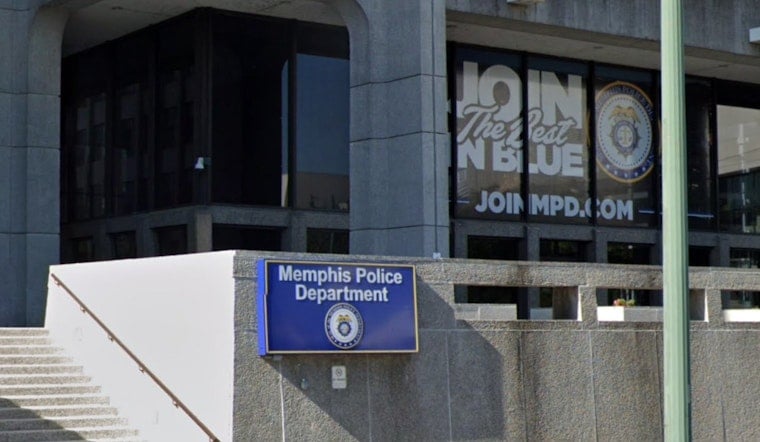
Memphis police legal advisors have started a citywide tour of public forums this week to walk residents through the Kendrick Consent Decree and how it reins in police surveillance of political activity. The first session rolled out Tuesday at MPD's Crump Station, and officials say the roadshow will move through precincts across Memphis to spell out what officers can and cannot do around protests, organizing and online monitoring.
The Kendrick Consent Decree grew out of a 1976 lawsuit that challenged the Memphis Police Department's domestic intelligence unit and led to a 1978 federal court settlement that sharply restricts political surveillance, according to ACLU of Tennessee. The department says the decree is still in force, and a court-appointed monitoring team plus a 2025 sustainment proposal have kept oversight in place while naming MPD legal advisors as compliance officers, per the Memphis Police Department.
Senior Legal Advisor Jimmy Thomas told Action News 5, "We don't want to be in a position where it looks like the city is trying to impede or chill the First Amendment rights of individuals in the city," adding that the forums are meant to clarify "what the police department can and cannot do" under the decree. City officials are pitching the sessions as outreach meant to clear up confusion about social-media checks and investigative steps that might brush up against political expression.
What the decree actually bars
At its core, the order forbids "political intelligence" – the covert collection or maintenance of files about people's political or protest-related activities – and it lays out written rules for social-media searches and information-sharing with outside agencies, according to the Memphis Police Monitor. Those limits mean organizers, protesters, and other residents are generally protected from being targeted by MPD unless there is separate evidence of criminal activity.
Why advocates are watching
The forums land amid renewed scrutiny of how the city coordinates with federal and state partners and whether that cooperation could create workarounds to the decree. Local coverage and civil-rights advocates have pressed for strict enforcement; the Memphis Flyer reported that advocates asked city leaders to guarantee the decree would be followed during task-force deployments.
How to learn more and take part
Residents can read the decree text and monitoring reports on the Memphis Police Department consent decree page and on the Memphis Police Monitor, which publishes key court orders and filings. The department is taking sign-ups and posting precinct schedules for the walk-in sessions, and Action News 5 has listed the first dates and locations for those neighborhood forums.
Legal oversight and next steps
Federal court oversight remains active, with the Kendrick docket and consent decree orders preserved in public records and legal clearinghouses that document the case. If monitors or plaintiffs find violations, the court can order corrective measures and sanctions, which help explain the department's emphasis on outreach and training around the decree.





