

























































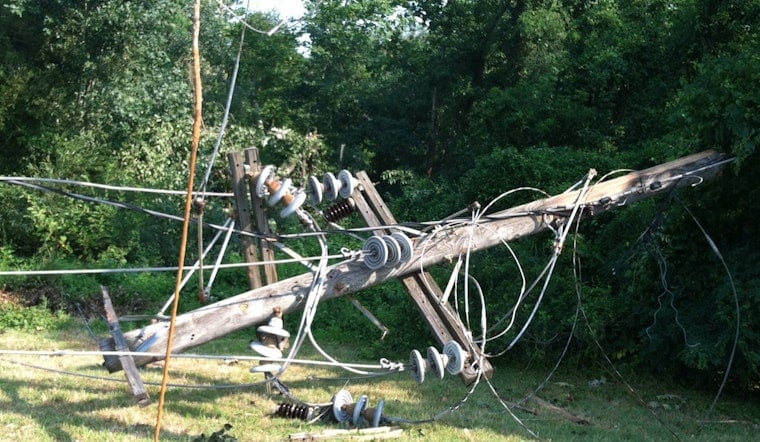
Severe thunderstorms barreled through the Memphis metro Wednesday evening, snapping branches, toppling lines and cutting power to wide stretches of the city just as early July heat settled in. At the height of the chaos, thousands of homes and businesses went dark while crews rushed out to find damaged equipment and get the lights and the air conditioning back on.
According to the Daily Memphian, Memphis Light, Gas and Water’s outage map showed more than 15,000 customers without power at the peak. That was the public snapshot as lineworkers fanned out across the area, isolating faults and beginning repairs.
MLGW Response And How To Get Help
Per MLGW, crews were deployed countywide to assess storm damage and restore service as quickly as conditions allowed. Customers are asked to report outages through the utility’s online outage map or by calling 901-544-6500, and to report emergencies such as downed power lines to 901-528-4465.
The utility’s storm-prep guidance also repeats one life-or-death reminder that tends to surface every summer: never run a portable generator inside a home, garage or enclosed space because of the risk of deadly carbon monoxide buildup.
Heat, Storms And Grid Stress
The National Weather Service had a Heat Advisory in effect for much of the Mid-South as the storms rolled through, warning that strong wind gusts and falling trees can knock out lines and stretch out restoration times. As outlined by National Weather Service Memphis, heat index values were expected to reach near or above 105°F, raising the stakes for anyone suddenly without air conditioning.
A national analysis also notes that intense heat-driven demand, combined with repeated rounds of storms, can push outage numbers higher and strain grid operations, with other parts of the country seeing more outages during the same heat wave, according to UPI.
What To Do If Your Power Is Out
Residents are urged to keep refrigerator and freezer doors closed to protect food, avoid opening them unless absolutely necessary and treat any downed wire as if it is live. Neighbors are also encouraged to check on older adults and medically vulnerable people who may rely on electricity for cooling or medical equipment.
The American Red Cross advises staying hydrated and moving to a cooler location if your home loses power during extreme heat, and to check local emergency information for details on shelters and cooling centers. For the latest outage status and estimated restoration times, monitor the MLGW outage map provided by MLGW, and keep an eye on the National Weather Service for any additional storm threats that could slow repair work.
Officials urged patience as crews prioritize safety and critical facilities while they work to restore service. Customers with urgent medical needs are advised to contact their health care providers or emergency services for support. This story will be updated as MLGW releases more detailed restoration timelines and as new information comes from the National Weather Service.


.jpg)