

























































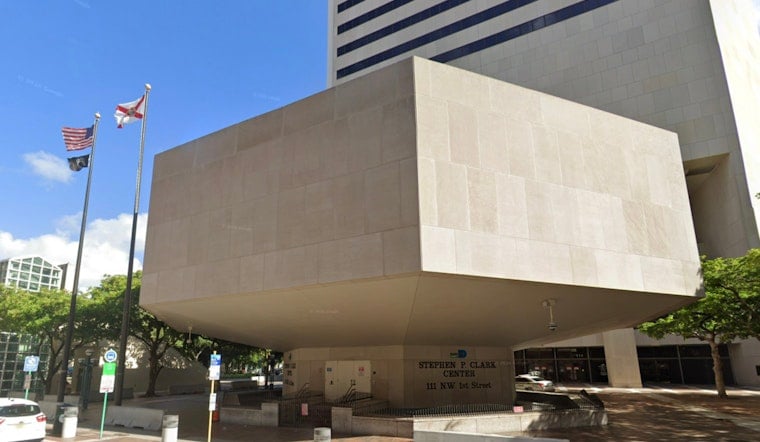
Miami-Dade commissioners on Tuesday, July 21, 2026 voted to have county attorneys dig into a new state law that puts sharp limits on how local governments can fund, promote or run diversity, equity and inclusion programs. Several commissioners warned that the vague language in Senate Bill 1134 could expose them to serious penalties, including removal from office, and said they want legal answers well before the statute kicks in on Jan. 1, 2027.
Commission Orders Legal Review
The discussion item, listed on the July 21 agenda and sponsored by Commissioner Vicki L. Lopez, instructs county attorneys to examine possible legal responses and report back to the board. According to Miami-Dade County, the item appears on the board calendar as "DISCUSS SB: 1134 Official Actions of Local Governments (DEI)." County staff did not immediately say when the attorneys’ report will be ready.
What Commissioners Said
The debate quickly turned tense. Commission Chair Anthony Rodriguez objected to steering the county toward lawsuits, while Vice Chair Kionne L. McGhee said he was "not willing to defund charities and community groups" that serve minority residents. As the board wrestled with next steps, Commissioner Oliver G. Gilbert III floated the idea that community groups could sue the county, forcing the state to step in and defend the statute, a suggestion that drew pushback from some colleagues. The back-and-forth captured a wider anxiety over how to keep cultural events and grants alive while staying within a law many officials labeled vague, according to the Miami Herald.
What the Law Does
CS/CS/SB 1134 bars counties and municipalities from spending public money to create, support, sustain or staff a DEI office or officer, and it blocks local governments from using funds to promote DEI initiatives. It also provides that certain local ordinances, resolutions and policies tied to DEI may be deemed void and builds in grounds for misfeasance or malfeasance allegations against officials, penalties that can lead to removal from office. Those provisions, along with the Jan. 1, 2027 effective date, are detailed on the bill page and related summaries, according to the Florida Senate.
Next Steps and Legal Risks
County attorneys were told to identify which grants, events and offices could be swept up by the law and to lay out the procedural options available to the county, including whether to file suit or pursue some other path. The directive is captured on the board's July 21 agenda and supporting materials, which list the discussion item and associated filings for commissioners to review, according to Miami-Dade County. If the county heads into court, attorneys are expected to move quickly with declaratory-judgment filings and pre-trial motions to test how far the statute actually reaches.
Legal Implications
Legal observers say the statute’s vagueness is likely to spur constitutional and administrative challenges, and that the misfeasance and malfeasance language raises the stakes for elected officials trying to balance community programming with compliance. The Florida House’s bill materials, along with the statutory text, outline the misfeasance provisions and possible remedies that lawyers will scrutinize if lawsuits are filed, making litigation a likely next step if no clear administrative solution surfaces, according to the Florida House.
For now, commissioners say the county’s goal is to shield cultural and nonprofit partners as much as possible while attorneys sort through the legal minefield. The upcoming report, and any court filings that follow, will shape how Miami-Dade navigates community programming under the new statewide limits before Jan. 1, 2027.




