

























































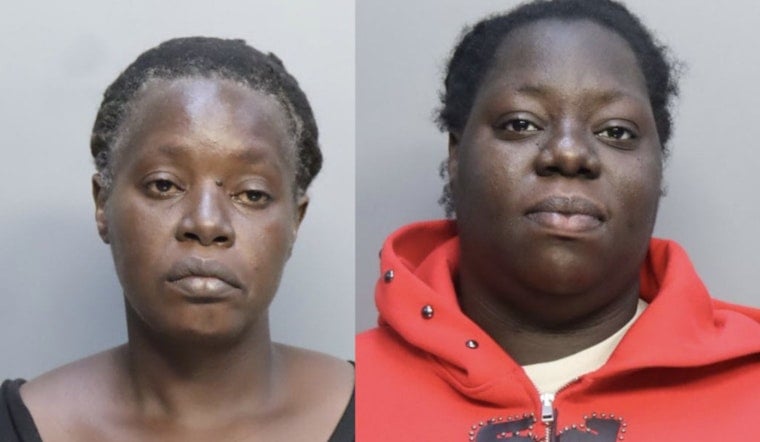
Two South Florida women are accused of turning a routine bank scare into a nearly $24,000 heist, after deputies say they posed as Wells Fargo representatives, took over a customer's account in May 2025, and quietly drained it. Investigators say the scheme leaned on a call-and-text spoofing setup that fooled the victim into greenlighting transfers and account changes. Both women were booked into jail and now face felony counts that include grand theft, organized fraud, and unlawful use of a communications device.
Arrests and the money trail
According to NBC 6 South Florida, investigators say 43-year-old Shirley Jerome and 31-year-old Tracy Jerome wired exactly $23,879.98 out of the victim's Wells Fargo account and into a Navy Federal Credit Union account connected to Shirley Jerome. Deputies told reporters the money did not stay put for long, with the pair allegedly breaking it up through multiple transactions and ATM withdrawals and using part of the haul to pay bills with Florida Power & Light, T-Mobile, and Miami-Dade County.
How the spoof worked in practice
Detectives describe the setup as a familiar impersonation script: caller ID that appears to belong to the bank, urgent texts about supposed fraud, and high-pressure instructions to move money so the victim believes they are protecting their cash instead of losing it. South Florida outlets have tracked similar scams in the region, including a Hoodline account of a separate Cutler Bay Zelle spoof sting earlier this year, and Local 10 coverage of other impersonation cases that pushed large sums through fake or coerced transfers. Taken together, these examples show the same mix of social engineering and fast, hard-to-undo payment methods that scammers rely on.
Why the scams keep working
National numbers from the Federal Trade Commission highlight why these schemes remain so profitable. Imposter scams have racked up billions of dollars in reported losses, and phone calls and texts continue to rank among the most common ways crooks first reach their targets. Regulators and industry reporting have also stressed that once a victim is talked into sending money through rapid person-to-person payments or wire transfers, the funds can be extremely difficult to claw back.
Legal implications
Arrest reports show the two women were booked on charges that include grand theft, organized fraud, and unlawful use of a communications device. Under Florida law, theft that crosses certain value thresholds can be charged as grand theft, and using a two-way communications device to help commit a felony is itself treated as a third-degree felony under state law.
How to protect yourself and report fraud
Authorities and consumer agencies urge anyone who gets an unexpected message about urgent bank trouble to hang up, ignore any embedded links, and instead call the bank back using a number from an official statement or the institution's own website. Victims are advised to save all texts, call logs, and emails, report losses through federal portals such as the Federal Trade Commission's reporting site and the FBI's Internet Crime Complaint Center (IC3), and contact their bank immediately to try to freeze or reverse any transactions.





