

























































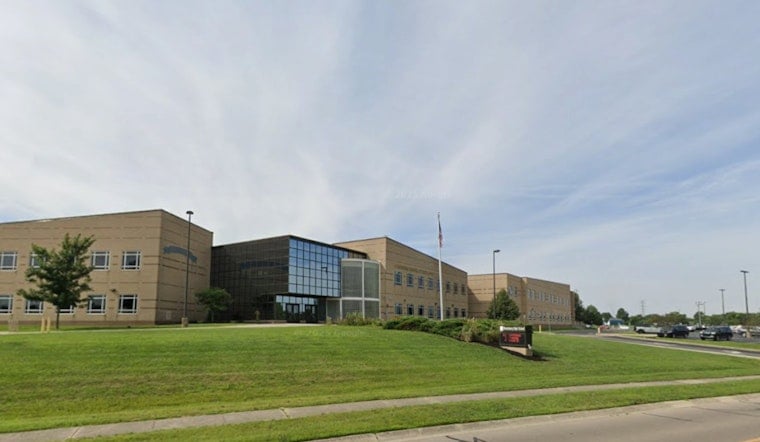
The Miamisburg City School District board has voted to ask residents for a 0.5% continuing income tax on the November 3 ballot, aiming to steady day‑to‑day operations after a run of budget shortfalls. The measure would use a traditional tax base that applies to most taxable income, include an 18‑month phase‑in, and is projected to bring in about $6,986,319 a year if voters sign off.
At a July 16 meeting, the board agreed to send the question to county election officials and chose the broader traditional base instead of an earned‑income‑only option, as reported by the Dayton Daily News. District staff told the board the traditional version would bring in significantly more money, with members citing about $1.4 million in additional annual revenue compared with an earned‑income‑only levy. Board member Shelbi Nunery said she personally favored an earned‑income tax but still joined the majority to move the proposal forward to the ballot.
How the levy would be charged
Ohio school districts can structure an income tax in two main ways: a traditional base tied to Ohio taxable income, or an earned‑income‑only base that applies to wages and self‑employment income but generally skips many forms of passive income. Under the earned‑income option, retirement distributions, dividends, capital gains, and similar income are typically excluded, and taxpayers cannot claim personal or dependency exemptions. The traditional base is wider, reaching more types of income.
According to the Ohio Department of Taxation, Social Security benefits are usually not subject to school‑district income taxes, which is part of why Miamisburg officials have been careful to spell out exactly which tax base they are choosing in their ballot language.
Why the district says it needs the money
The district’s five‑year forecast points to growing deficit spending without new revenue, with the most recent filings showing an operating shortfall of about $3.9 million in the latest fiscal year. Under the plan shared with the board and the public, the new levy is intended to ease that pressure: the treasurer projected a $1.7 million deficit in FY27 if no additional money comes in, and more favorable balances starting in FY28 if the income tax passes, as per the Miamisburg City Schools forecast.
District leaders say they have already trimmed expenses in recent budget cycles and are now looking for a more stable revenue stream to match ongoing costs. The same forecast document has been used in public presentations to walk residents through the numbers.
Past levies and local context
Voters in the district last approved a school tax measure in 2022, passing a substitute levy with about 53% of the vote, according to regional coverage at the time. That substitute levy essentially rolled several expiring emergency levies into a single continuing levy. Since then, shifts in state funding and rising personnel and benefits expenses have kept the district searching for additional long‑term operating dollars, according to WYSO.
What’s next for voters
The 0.5% income‑tax question will appear on the November 3 general‑election ballot if county election officials sign off on the board’s resolution. If voters approve it, the 18‑month phase‑in laid out by the district would begin on the timetable the board has discussed, and collections would be handled by the Ohio Department of Taxation. The district plans to release a voter information packet and is expected to cover campaign details and outreach plans at upcoming board meetings. The Miamisburg Board of Education posts its meeting calendar and notices online.
Between now and November, residents can expect a full‑blown local debate. Supporters will argue the levy is necessary to keep classrooms staffed and programs intact, while opponents are likely to question the added tax burden and push for deeper cuts. District officials, for their part, say they plan to keep sharing financial updates and Town Hall dates so voters can work through the math for themselves before election day.




