

























































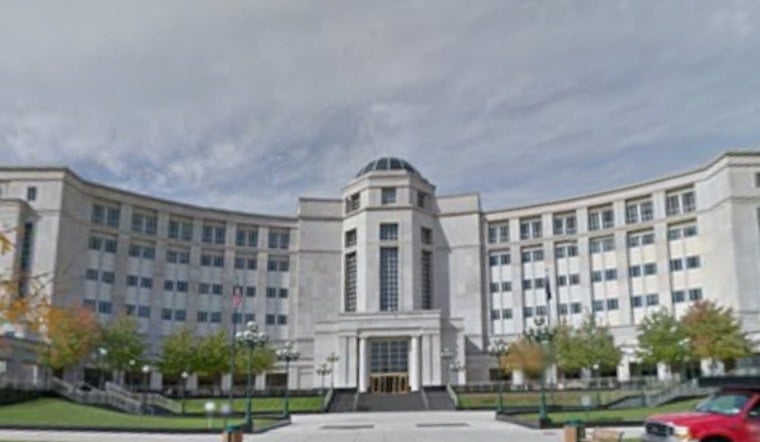
The Michigan Supreme Court has thrown out the conviction of Zebadiah J. Soriano, ruling that a confession he gave in a hospital after taking LSD could not count as a knowing, voluntary Miranda waiver. The justices sent the case back to the trial court to take another hard look at his statements and what should happen next, raising pointed questions about how far police can go when a suspect is high on powerful hallucinogens.
High Court Tosses Confession In 6-1 Call
In a 6-1 decision, the state’s high court vacated Soriano’s conviction and remanded the case for further proceedings, with Justice Kimberly Thomas writing the majority opinion, according to The Detroit News. At the heart of the ruling is whether an intensely intoxicated suspect on a hallucinogen has the capacity to knowingly give up Fifth Amendment rights during police questioning.
What The Trial Record Shows
According to court records, the incident took place on the night of Nov. 20, 2020, in Grand Traverse County. The victim, identified in filings as “AC,” testified that she and Soriano both took LSD, and that Soriano then pulled down his pants, groped her and pushed her during an attempted assault. A jury in September 2021 convicted Soriano of assault with intent to commit criminal sexual conduct but acquitted him on a separate assault-by-strangulation charge, as reflected in the Court of Appeals opinion and trial record.
The appellate opinion also highlights corroborating testimony from AC’s mother and from a deputy who located Soriano shortly after the alleged attack.
The Hospital Interview Under The Microscope
Roughly two hours after the alleged assault, deputies brought Soriano to a hospital, where they read him his Miranda rights before speaking with him, the record shows. At the hospital, Soriano admitted he had taken LSD and made several incriminating statements.
The Court of Appeals' opinion and trial exhibits also note that Soriano told investigators he had taken multiple acid tablets, while AC had taken one.
Defense And Prosecution Face Off At The High Court
On appeal, the State Appellate Defender Office argued that Soriano was too intoxicated on LSD to validly waive his rights and that officers should have waited until he sobered up. Defense counsel told the justices that questioning a detained suspect who is actively under the influence of a hallucinogen is inherently coercive.
Prosecutors countered that the encounter was brief, largely initiated by Soriano himself, and that the trial court’s credibility findings supported letting the jury hear the statements. Those arguments played out during oral argument, as reported by WGVU.
What The Ruling Could Mean
Legal observers say the decision tightens the conditions under which courts will treat a custodial hospital statement as a valid Miranda waiver when a suspect is visibly under the influence of a strong hallucinogen. Prosecutors have warned that this kind of rule could complicate criminal investigations that depend on swift, post-arrest interviews. Defense advocates counter that the ruling reinforces constitutional protections against compelled self-incrimination when a suspect’s capacity to consent is impaired.
Next Steps For The Case
The Supreme Court’s order sends Soriano’s case back to the trial court for proceedings consistent with its opinion. Soriano was 18 at the time of the incident and is now 24. He had been sentenced to three years of probation, including six months in jail, and ordered to register for life under the Sex Offender Registration Act. Those consequences will be revisited if the conviction is ultimately set aside or the case is retried, according to the Court of Appeals' opinion.
What To Watch
The trial court is expected to hold additional hearings on whether Soriano’s statements should be suppressed and whether new evidence, including expert testimony on the effects of LSD, can be introduced. Beyond this one case, the ruling may prompt prosecutors and local law enforcement agencies across Michigan to rethink training and guidance on questioning intoxicated suspects in hospitals and other medical settings.





