

























































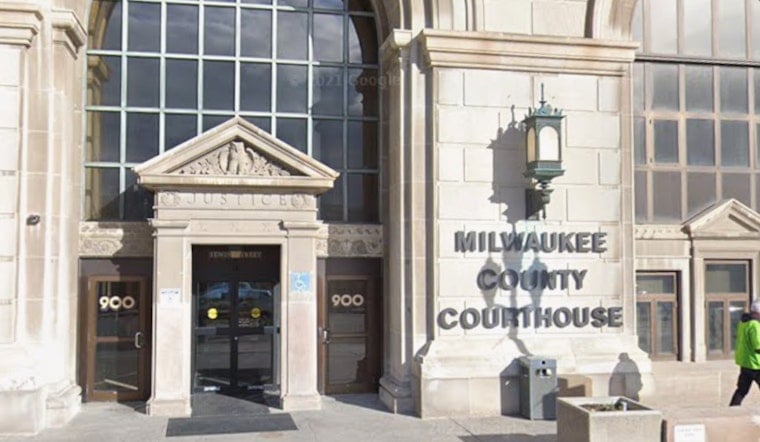
A Milwaukee jury found 22-year-old Daeshaun Graves guilty in two separate 2024 killings. This month, a judge handed him a 60-year prison term, plus a decade of extended supervision, for the shootings of his uncle and another man in unrelated incidents. Graves also received credit for nearly two years he had already spent in custody.
Prison Sentence Caps Double-Homicide Case
Judge Laura Crivello imposed the sentence in mid July, ordering 60 years in state prison and 10 years of extended supervision and crediting Graves with close to two years served, according to FOX6 News. The punishment closed out a case that went to trial earlier this year, after prosecutors laid out evidence tying Graves to two separate homicides on Milwaukee’s north side.
Aug. 4 Van Arson Killing
Prosecutors say the August 4, 2024 killing started with an argument near 84th Street and Carmen Avenue, when 31-year-old Quincy Smith was shot and collapsed into a minivan. Witnesses told police Graves drove off with Smith’s body still in the vehicle, and officers later found the stolen minivan torched near 34th Street and Auer Avenue with Smith inside, as reported by CBS 58. The Medical Examiner ruled Smith’s death a homicide.
July Killing Of His Uncle
Weeks earlier, on July 15, 2024, prosecutors say Graves shot his uncle, Darrell Harbour, near 36th Street and Courtland Avenue. Surveillance video from that incident was played for jurors at trial. A jury convicted Graves in March on two counts of first degree reckless homicide, one count of mutilating a corpse, one count of arson and four counts of felony bail jumping, according to FOX6 News.
Charges And What Comes Next
Court filings also accuse Graves of arson and mutilation of a corpse and state that he was arrested days after the August killing at a rented property, per CBS 58. With sentencing now complete, the case moves into the post trial stage, where defense attorneys could pursue post conviction motions or appeals.
Under Wisconsin’s supervision rules, the lengthy sentence means Graves is set to spend decades in state custody. The criminal case files remain part of the public record as the legal process continues.



