

























































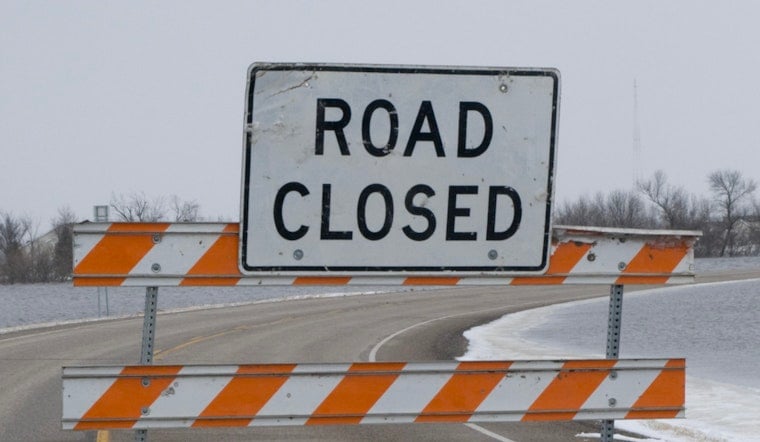
Milwaukee officials are preparing a much pricier response to utility crews that treat public streets like temporary private property. The proposed crackdown follows a We Energies closure that began a day early on West Lincoln Avenue, caught residents and businesses off guard, and triggered a pair of new Common Council proposals.
Work was scheduled to begin Thursday, but crews reportedly started Wednesday without notifying nearby residents, business owners or city officials, according to the Milwaukee Journal Sentinel. The closure blocked part of eastbound traffic on West Lincoln Avenue, while the city’s Department of Public Works issued We Energies a $250 fine for each of two construction days.
Proposed Fine Would Scale With Every Lane And Hour
Ald. Peter Burgelis introduced Common Council File #260554, which would raise the penalty for unauthorized, non-emergency street closures to as much as $1,000 per lane for every hour the road remains closed. The proposal is aimed at utility companies and contractors that may view the current penalty as little more than a rounding error on a major construction project.
“Road construction is inevitable. Chaos isn’t,” Burgelis said in a City of Milwaukee news release announcing the ordinance. The release said unauthorized closures can delay emergency response, interfere with city operations, push traffic into residential streets and make conditions less safe for drivers, pedestrians, bicyclists and transit riders.
Second Ordinance Would Tighten Notice Requirements
A separate proposal from Ald. JoCasta Zamarripa would require more advance notice from utility companies before disruptive work begins. Existing rules require at least 72 hours’ notice for excavation projects expected to last more than 24 hours when they obstruct access or disrupt utility service, but the Lincoln Avenue episode suggests the notice system did not exactly cover itself in glory.
Under the current setup, the fine for skipping a permit is generally twice the permit cost, or about $350 in the case outlined by the Journal Sentinel. The city’s 2026 fee schedule lists street-occupancy charges that vary by road type and duration, while a local-street traffic-lane closure can cost $225 for up to seven days, before any violation penalty is added.
Files Head To City Attorney Before Fall Vote
Both ordinance files must go through the City Attorney’s Office before they reach the Common Council for a vote, a process expected to occur in September. Burgelis’ measure is formally set for committee consideration that month, according to the City of Milwaukee.
The proposed changes would not apply to emergency utility repairs needed to protect public safety or restore essential services. The larger question for Milwaukee is whether a steeper fine and clearer notice rules will force construction schedules to be coordinated before barricades appear, rather than after residents discover their route has vanished.





