

























































A Milwaukee-led clinical trial is putting an intensive rehabilitation program for traumatic brain injuries through its biggest test yet, with more than 400 veterans and first responders expected to take part. The stakes reach well beyond the five participating sites, as researchers look for better answers for people living with persistent headaches, memory problems, mental-health symptoms and difficulty returning to work or family life.
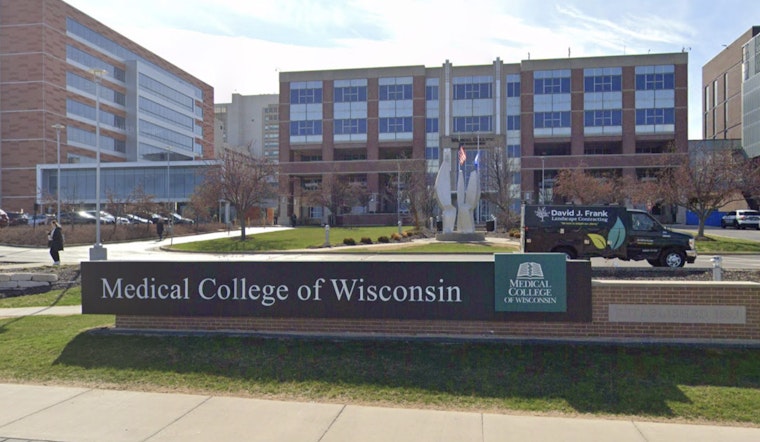
The Medical College of Wisconsin is coordinating the randomized controlled trial, with neurosurgery professor Michael McCrea serving as principal investigator, according to the Milwaukee Journal Sentinel. The study will examine whether a coordinated rehabilitation model can improve quality of life, exercise, employment and family relationships for veterans and first responders with mild traumatic brain injury and related conditions.
A Three-Week Program Gets Its Biggest Test
The trial is sponsored by Avalon Action Alliance, which awarded MCW a $7.5 million agreement to run the study over four years, the Medical College of Wisconsin said. Researchers will evaluate an intensive three-week outpatient program already being used at Avalon-supported brain injury centers.
The care model is designed to be tailored rather than one-size-fits-all. It can combine neurological and physical rehabilitation, occupational and speech therapy, psychiatry, psychotherapy and other services aimed at symptoms such as dizziness, concentration problems, memory loss and mood changes.
Avalon says its broader care network connects veterans and first responders with clinical treatment, peer support and programs addressing traumatic brain injury, post-traumatic stress and substance abuse. The organization lists MCW’s BRAVE program among its nationwide TBI centers, along with partner programs in Colorado, Florida, North Carolina and Pennsylvania.
Why The Results Could Matter Beyond Veterans Care
The immediate question is whether the program works and whether its benefits last after the three-week intervention ends. A positive result could give clinicians stronger evidence for intensive rehabilitation, support broader insurance coverage and help establish a more consistent standard of care for traumatic brain injury, the Journal Sentinel reported.
The need is substantial. The U.S. Department of Veterans Affairs says 556,502 veterans entered its TBI Veterans Health Registry between September 2001 and September 2025, although that registry includes veterans who screened positive, had a related diagnosis or sought benefits tied to brain injury.
MCW’s Milwaukee-area BRAVE program has already seen strong demand: the school said the program had graduated 61 people, completed nearly 160 evaluations and had more than 400 applications in progress by late 2025. The program has since expanded into a larger Wauwatosa facility, giving the local research team a growing pool of experience as it takes on a national test of the treatment model.
Five Sites Will Track The Same Care Model
In addition to MCW, the trial will take place at the University of North Carolina at Chapel Hill, University of Florida Health Jacksonville, University of Colorado Anschutz and Jefferson Health’s MossRehab Institute for Brain Health. Researchers hope the multisite design will produce results that are more persuasive than findings from a single clinic and more useful to civilian patients who develop lasting symptoms after concussions, crashes, sports injuries or other trauma.





