

























































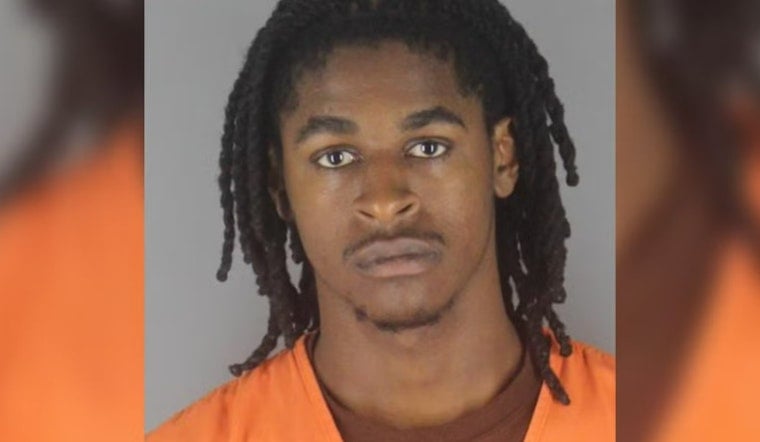
Prosecutors have charged 21-year-old Minneapolis resident Maurice Antonio Verser Jr. with second-degree murder in the April 29 killing of 69-year-old Carl Steven Hampton on the city’s North Side. Investigators say officers were sent to Hampton’s home after a ShotSpotter alert and found him in his living room with a gunshot wound. He was pronounced dead at the scene. Neighbors’ surveillance footage and electronic evidence eventually pointed detectives to a black Jeep Grand Cherokee and then to the vehicle’s registered owner, a break in a case that initially offered little public detail and left the block searching for answers.
Prosecutors filed the murder charge after investigators reviewed surveillance and court documents, according to KSTP. The outlet reports that a ShotSpotter alert around 8:46 p.m. on April 29 sent officers to the Bryant Avenue North area, where video allegedly showed two people getting out of the Jeep, one walking up to a window and firing, and the group then returning to the vehicle and driving off. Court records cited by KSTP state that the Jeep’s license plate matched a vehicle registered to Verser and that his cellphone location data and messages placed him near the scene around the time of the shooting.
ShotSpotter’s role and the ongoing debate
ShotSpotter alerts helped trigger the initial police response in Hampton’s killing, but the gunshot-detection system itself has been the subject of growing scrutiny. Reporting by The Assembly notes that some cities have canceled or reconsidered ShotSpotter contracts, and a review by the Chicago Office of Inspector General found that many alerts did not ultimately lead to evidence of gun-related crimes. A New York City comptroller audit reached similar conclusions about how often alerts are confirmed, even as it documented faster response times in some shooting cases.
How investigators say they built the case
Investigators, as reported by KSTP, pieced together license-plate camera footage, neighborhood surveillance video and cellphone data that they say connect Verser to the Jeep used the night of the shooting. Court documents quoted by the station allege that Verser’s phone was off from about 8:13 p.m. to 9:06 p.m. and that messages suggested the Jeep had been impounded after the incident. Verser told investigators he had been driving and had picked up other potential suspects but said he could not recall what happened during the time in question.
Legal next steps
Verser faces one count of second-degree murder, and the case will move through Hennepin County court. Under Minnesota law, Minn. Stat. 609.19, a conviction for second-degree murder can carry a prison term of up to 40 years, according to the Minnesota Revisor of Statutes. Authorities say they are continuing to collect evidence and are asking anyone with information to contact Minneapolis police or Crime Stoppers of Minnesota. Anonymous tips to Crime Stoppers can be submitted online or by phone to assist investigators.





