

























































Four years after a night at a Mission intersection turned fatal, the widow of Paul McManus is still waiting for the driver who hit and killed him to face a jury. McManus was riding his motorcycle home from a concert in October 2021 when a driver allegedly ran a red light and struck him. He later died. Since then, the case has sputtered along, with missed court dates and repeated releases that have left his family feeling like the criminal system treats a deadly crash more like paperwork than a loss that ripped through their lives.
According to The San Francisco Standard, the driver, identified in court records as Breanna Gordon, was behind the wheel of a 2018 Jeep Compass when she ran a red light at 16th and Harrison streets and hit 40-year-old McManus. Local court records show prosecutors filed the criminal case in December 2021, and bail was initially set at $20,000. Gordon failed to appear at least four times, triggering bench warrants and short stints in custody before a May 25 arrest that again ended in release to supervised pretrial services. On the civil side, the family sued in 2024 over damage to McManus’s motorcycle, and court declarations say a property-damage claim was resolved with a settlement from Gordon’s insurer in mid-2025.
How A New Bail Rule Changed Things
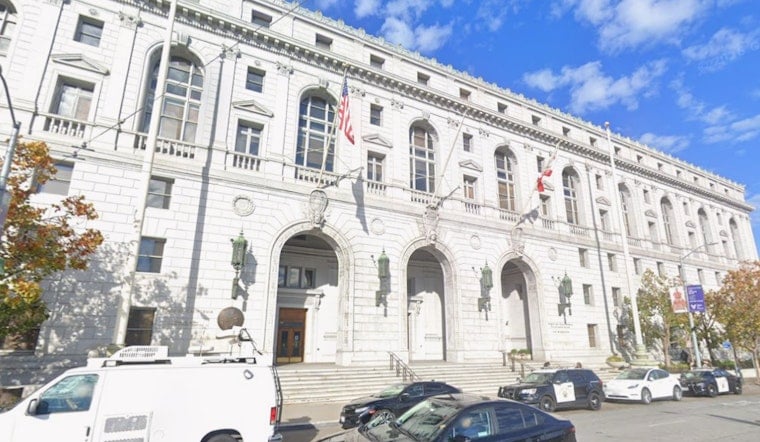
A recent California Supreme Court decision, In re Kowalczyk, has made it more difficult for prosecutors to keep people accused of misdemeanors in jail simply by setting high bail. The court stressed that bail decisions must be reasonable and should not generally hinge on payments a defendant cannot afford, a shift that local prosecutors say has narrowed their options for holding nonfelony defendants in deadly crash cases, according to the California Supreme Court.
Supervision, Diversion And The Court Calendar
After her most recent arrest, the court ordered Gordon released under the supervision of the San Francisco Pretrial Diversion Project, the nonprofit that manages pretrial assessments and monitoring for the city. Under its contract with San Francisco, the program is supposed to use daily check-ins, risk assessments and detailed reporting requirements to keep tabs on clients and boost court appearance rates while still keeping lower-risk defendants out of jail, according to the San Francisco Pretrial Diversion Project.
What The Family Is Asking For
McManus’s widow has been clear that she is not demanding a lengthy prison term. What she wants, she has said, is for Gordon to be kept off the road and to face some real accountability. The family has asked that Gordon lose her license and complete community service, and they worry the case could quietly be diverted or dismissed after years of delay, the family’s attorney told reporters, according to The San Francisco Standard.
Legal Note
California’s speedy-trial rules and a defendant’s ability to waive them also shape how slowly or quickly a case moves. Penal Code section 1382 sets relatively short deadlines for bringing criminal cases to trial, but it allows continuances when the defendant agrees. That waiver power, combined with defense control over scheduling, helps explain why victims can end up waiting years for closure, as legal practice guides and court rulings point out, according to Legal Clarity.
For now, the case is still stuck on the calendar. A pretrial conference is set for Oct. 7, and lawyers say it could be many more months before a trial date is even assigned. In the meantime, McManus’s widow and sister keep pushing for what they describe as modest, concrete penalties that might help keep someone else from suffering the same fate.




