

























































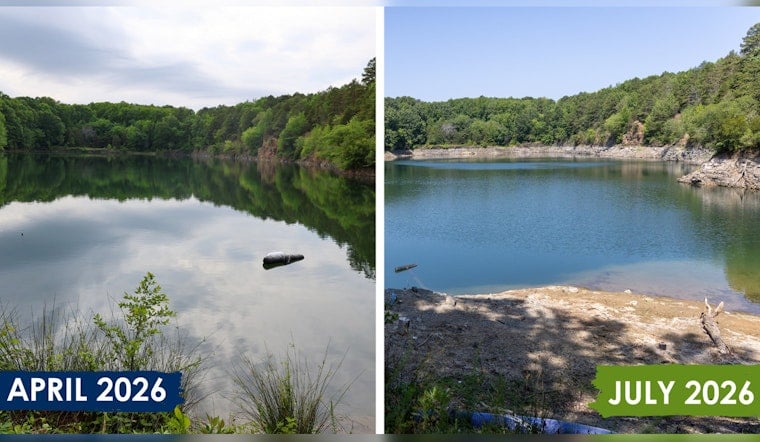
Monroe has officially tightened the taps. As of yesterday, the city has moved into Stage 2 mandatory water restrictions, shifting from polite requests to hard rules as officials work to stretch shrinking supplies after weeks of below-normal rainfall. The new stage turns earlier voluntary conservation into enforceable limits for everyone on the city water system.
What Stage 2 Means For Residents
Under the Stage 2 rules, some outdoor water use survives, but only in a stripped-down form. According to the City of Monroe, residents may still hand-water plants with a watering can or hand-held container, and they can use non-potable water where available.
Automatic irrigation systems, sprinklers and hoses, however, are now limited to two daily windows: 6 to 10 a.m. and 6 to 10 p.m. The city has also clamped down on several familiar water uses. Stage 2 prohibits washing vehicles at home, using potable water to wash driveways, sidewalks, streets or building exteriors (unless needed for health or safety reasons), and filling or topping off swimming pools and decorative fountains.
Enforcement And Penalties
The city is starting with a light touch, but not for long. “Customers found in violation of Stage 2 restrictions will first receive a warning,” the City of Monroe stated. After that, repeat offenders could face civil penalties starting at $100, with higher fines for continued violations.
Monroe has set up both an email address and a phone line for residents who want to report suspected violations. Businesses are expected to conserve and follow the same rules as households, although the city notes that some operations may qualify for exemptions where water use is tied directly to essential business needs.
How This Fits The Regional Picture
Monroe is not tightening the faucet in a vacuum. The move comes amid a broader crunch across the Charlotte region, where reservoirs and basin levels have been sliding downward. The city first declared Stage 1 back in late January, when its projected supply dropped to roughly 180 days, and county water managers followed by moving to Stage 2 on May 15, according to a Union County press release.
Earlier in the spring, regional monitoring of the Catawba-Wateree basin pushed several utilities to ratchet up restrictions in an effort to stretch remaining water, a trend also covered by WBTV.
How To Stay Compliant
For residents, staying on the right side of the rules mostly means dialing outdoor water use way back. The city recommends prioritizing hand-watering, keeping automatic irrigation strictly within the allowed time windows, and opting for commercial car washes that recycle water rather than hosing vehicles down at home.
Union County’s irrigation schedules and conservation tips are posted at UnionConserves. Indoors, the familiar moves still matter: fixing leaks quickly and waiting for full loads before running the dishwasher or washing machine can trim demand during peak summer use.
What Could Come Next
City officials have not set an end date for Stage 2. The restrictions are expected to remain in place until reservoir indicators and broader basin conditions show clear signs of recovery. If the dry spell continues, the region could see a climb to even tighter restriction stages and higher conservation targets for some customers, in line with existing local response plans.
For now, residents are urged to keep an eye on city and county websites for updates and to sign up for local alert systems so they are not caught off guard if the water rules get even stricter.





