

























































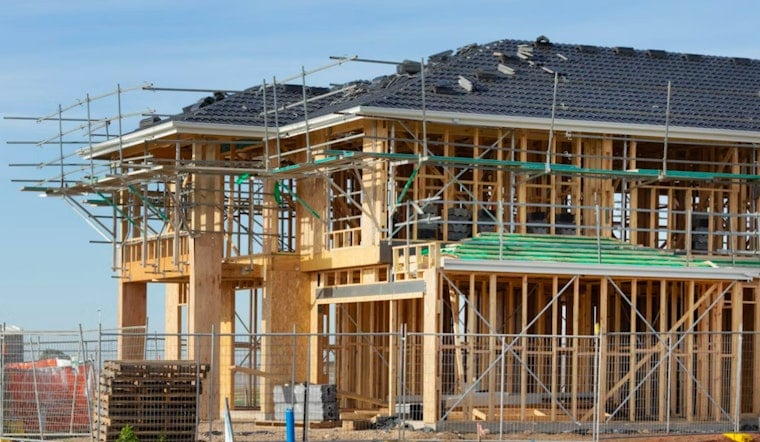
Mountain House just notched another growth spurt, adding about 1,639 residents in a single year and pushing its population to roughly 30,687. That jump has vaulted the master-planned community into the conversation about California’s fastest-growing cities, turning once-quiet cul-de-sacs into active construction zones and putting early pressure on schools, roads and basic city services as new subdivisions come online.
State provisional population estimates show Mountain House posted a 5.6% increase between Jan. 1, 2025 and Jan. 1, 2026 - growth driven largely by freshly built housing. According to the California Department of Finance, the city’s population climbed to 30,687 in the latest E-1 report.
City leaders say the surge was no surprise and have already begun updating key planning tools now that Mountain House is officially an incorporated city. In a recent press release, officials announced a General Plan and Housing Element update, opened a community survey and set a public workshop for Thursday to gather resident feedback. “Community input will help guide the next chapter of our city,” Mayor Andy Su said in the release, according to Mountain House city officials.
Bay Area Exodus Fuels Demand
Local analysts say Mountain House’s boom is part of a bigger Northern California shuffle, as buyers and renters priced out of the coast head inland and remote or hybrid work loosens the tether to Bay Area job centers. Housing analyst Ryan Lundquist told CBS Sacramento that Mountain House and nearby Lathrop rank among the fastest-growing spots as Bay Area prices push families toward the Central Valley and outer Sacramento suburbs.
Demographics And Reality Check
The numbers help explain the demand. U.S. Census Bureau QuickFacts data list Mountain House’s median household income at roughly $177,000 and the median owner-occupied home value near $947,000, with a mean travel time to work of about 50 minutes. Larger household sizes and a significant foreign-born share point to family-centered, commuter-heavy households - a mix that can quickly strain classroom capacity and local transit.
Infrastructure And Planning Pressure
Officials say they have already started lining up public-safety and park projects to keep pace with growth, including recently breaking ground on a new firehouse and advancing a slate of planned parks and public workshops tied to the General Plan process. Local coverage has also highlighted the rollout of red-light safety cameras this spring, a reminder that traffic and enforcement are immediate front-line issues as neighborhoods fill in, according to red-light crackdown reporting. Regional planners and the city say they will be watching housing permits and transportation funding closely during the General Plan discussions.
State figures underscore that Mountain House’s spike is part of a housing-driven reshuffling across the Central Valley and Greater Sacramento region, and the city’s updated Housing Element and upcoming workshops will serve as an early test of whether planning can keep pace with construction. For now, residents and officials are keeping a close eye on school capacity, commute pressures and public-safety projects as the community shifts from fast-growing suburb to fully functioning city, according to the California Department of Finance.





