

























































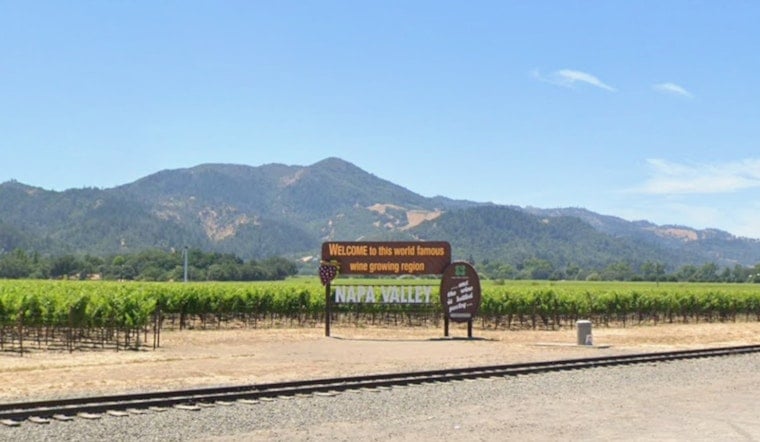
Napa County’s tourism machine generated a staggering $2.8 billion in total economic impact last year, but the latest numbers come with a few flashing dashboard lights. The valley is still pulling in money and jobs, yet it is increasingly relying on overnight guests, high-spending international travelers and visitors willing to pay Napa prices.
Reports released Monday show tourism produced nearly $294 million in state and local tax revenue and supported 15,345 jobs, according to the Napa Valley Register. Visitor spending totaled about $2.2 billion in 2025, up 2.9% from the prior year, with lodging accounting for $718 million, retail $647 million, food and beverages $505 million, recreation $230 million and transportation $130 million.
The headline total is an economic-impact figure, while the $2.2 billion represents direct visitor spending, but both point to the same reality: tourism remains one of Napa’s central economic engines. Visit Napa Valley’s earlier research found that tourism supports roughly 16,000 jobs and sends tax dollars toward public services, including roads, parks, libraries and public safety.
The Biggest Spenders Are Staying Overnight
Overnight guests accounted for 88% of visitor spending, even though day visitors made up 62% of all visitors. The average overnight visitor stayed 4.4 nights and spent $771 per day, while international overnight visitors spent an average of $3,192 per trip compared with $866 for domestic overnight visitors, according to the Register’s report.
That makes the international market disproportionately important — and unusually vulnerable. International visitors represented just 8% of overnight guests but 51% of overnight spending, while international visitation fell 1.7% from the previous year.
Price And Time Are Starting To Look Like Obstacles
Napa’s brand remains powerful, ranking first among competing destinations for familiarity, but awareness is not the same thing as a booked room. Among people who had not visited in two years, 21% said Napa was too expensive, 26% said it was too far away, 20% said they did not have enough time and 15% said they visited another wine region instead.
The day-trip problem is just as revealing: only 29% of day visitors said they were very satisfied, compared with 74% of overnight guests. Inflation also made 46% of survey respondents less likely to travel, suggesting that Napa may be competing not only against Sonoma or Paso Robles, but against the increasingly persuasive option of simply staying home.
The visitor profile is also nudging the valley beyond its traditional wine-first identity. Wine enthusiasts remained the most likely audience to visit at 71%, but 24% of non-drinkers said they were likely to visit as well, and Visit Napa Valley plans to promote dining, outdoor recreation, wellness, arts and culture alongside wine.
Napa Is Broadening The Pitch Before The Market Forces It
The City of Napa made a similar move in January, saying its tourism rebrand would go beyond wine and downtown attractions to highlight culinary experiences, arts and culture, wellness, outdoor recreation, events and pet-friendly travel, according to the City of Napa. That is less a rejection of wine than an acknowledgment that the next generation of visitors may want a full weekend in Napa without spending every hour at a tasting counter.
The timing matters for local government, too. Napa County’s adopted 2026–27 budget says discretionary revenues, including sales and hotel taxes, are growing more slowly than the cost of services, while earlier budget warnings described thinner tax receipts and rising expenses squeezing the county’s options.
Those pressures arrive as the broader wine industry works through a sharp correction in sales, changing drinking habits and a generational shift in who buys wine. The Guardian reported that Napa wineries are adapting through new products, different experiences and a greater focus on younger consumers.
Napa is not facing a tourism collapse; it is facing a tourism math problem. The valley has the brand, the scenery and the spending power, but its next phase will depend on converting day trips into longer stays, making the experience feel worth the price and giving non-wine travelers a reason to come along.





