

























































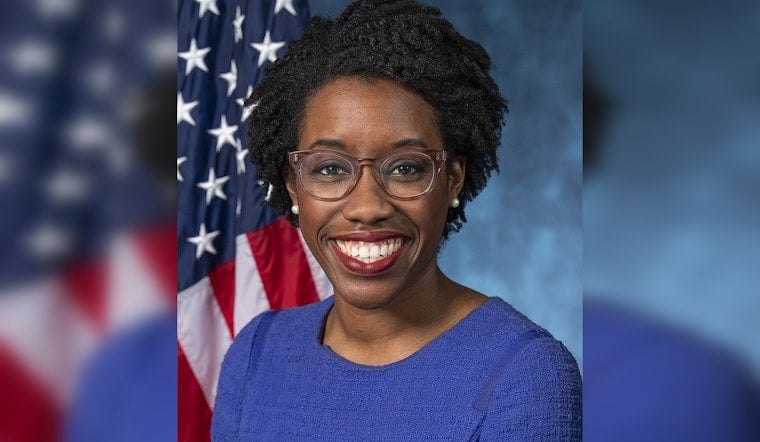
Naperville Congresswoman Lauren Underwood is taking another run at a stubborn Medicare loophole that keeps many older adults from getting round-the-clock addiction care. Her bipartisan bill would finally let Medicare pay for residential substance use treatment for seniors and people with disabilities, a change supporters say is long overdue for patients who need more than outpatient therapy but less than a hospital bed.
Bill Filed And Sent To Committee
H.R. 9538, the Residential Recovery for Seniors Act, was formally introduced June 30 and sent to the House Ways and Means Committee, according to the bill record on GovInfo. Underwood's office says the measure would create a new Medicare Part A benefit for "high-quality residential addiction treatment programs" and would spell out national standards for which facilities qualify. Those specifics were detailed in a press release from Rep. Lauren Underwood's office.
What The Bill Would Do
The proposal would cover ASAM Level 3 residential programs, which are clinically managed, non-hospital settings that provide 24-hour supervision, multidimensional assessments and medication management. It would instruct the Department of Health and Human Services to adopt evidence-based, substance use disorder-specific admission and staffing standards and to build a prospective payment system tied to level of care. As outlined by the Senate Special Committee on Aging, the new benefit is designed to fill the gap between outpatient services and full inpatient hospital care.
Who Is Backing It
The bill is bipartisan. Reps. Paul Tonko (D-N.Y.), Carol Miller (R-W.Va.) and David Valadao (R-Calif.) are among the listed co-sponsors, with other House members signing on as well, according to a release from Valadao's office. Major treatment organizations are lining up behind it, including the American Society of Addiction Medicine and the National Association of Addiction Treatment Providers. "Too many seniors who rely on Medicare are left without access to these critical services or are forced to pay out-of-pocket," Valadao said in a statement from his office, which also names several organizational supporters.
Why Supporters Say Seniors Need Residential Care
Traditional Medicare currently does not cover non-hospital residential substance use treatment, which is precisely the hole this bill aims to patch. That gap can leave beneficiaries staring down large out-of-pocket bills if they need 24-hour care outside a hospital. A release cited by Shaw Local estimated that roughly 7 million seniors are living with substance use disorders, while analyses from the Senate Special Committee on Aging previously put the number of Medicare beneficiaries with a substance use disorder at about 1.7 million in 2022. Backers argue that a dedicated residential benefit would lower financial barriers and give clinicians more placement options for medically complex older patients.
Political Outlook
H.R. 9538 now sits in the House Ways and Means Committee, the gatekeeper for Medicare benefit changes, where proposals typically face detailed scrutiny and budget scoring. The committee referral is listed in the congressional record, and the bill will likely need committee approval and a Congressional Budget Office estimate before it reaches the House floor, a sequence that can stretch out for months. Supporters say the bipartisan sponsor list and endorsements from treatment organizations will be key as they push for movement in committee.
Underwood, a registered nurse who represents Naperville and much of Illinois' 14th District, says the bill is rooted in what she hears from constituents about addiction in their own families. "Substance use disorders among seniors are on the rise, and I've heard from so many families who have lost older relatives to addiction," she said in a statement from her office. Advocates are now watching upcoming committee activity and budget analyses to see whether this cross-aisle effort turns into a new Medicare benefit for seniors who need residential care.





