

























































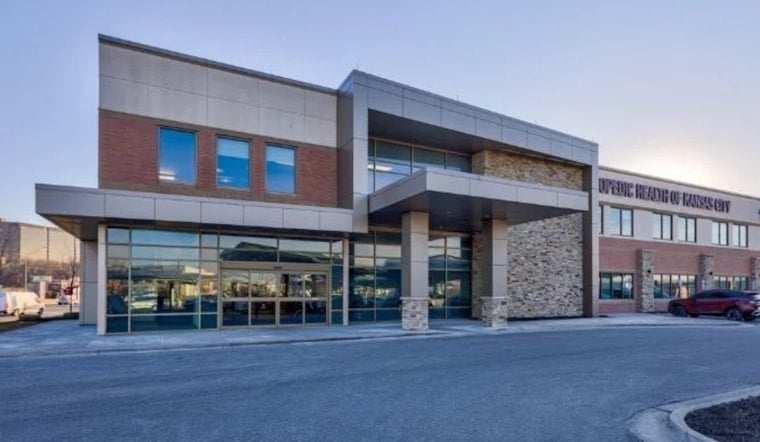
A Nashville-based investor has quietly tightened its grip on Kansas City health care, picking up four medical office buildings in an off-market deal that shifts clinics and ambulatory surgery space into private hands. Montecito Medical bought the portfolio from physician-owned groups, including Orthopedic Health of Kansas City, securing roughly 86,135 square feet of leased medical space around the metro. The practices stay put, but the landlord now has a decidedly institutional profile.
Deal details
The portfolio includes buildings at 1950 Diamond Parkway in North Kansas City, 8800 Ballentine in Overland Park, 10950 W. 86th St. in Lenexa and 17525 Medical Center Parkway in Independence. They are leased to Orthopedic Health of Kansas City, Kansas City Urology Care and Sunflower Medical Group, according to JLL. The properties house specialty clinics and an ambulatory surgery center and were marketed as sitting in affluent, high-traffic submarkets where patients are not hard to find.
"We're pleased to add this exceptional portfolio to our growing national portfolio of healthcare real estate," Montecito CEO Chip Conk said in the sale announcement, per JLL.
Who sold and how the deal was run
The sellers were three physician groups that operated out of the buildings and chose to run a quiet, off-market process handled by a national broker, Connect CRE reports. For doctor-owners, set-ups like this are a way to pull out equity without shaking up daily operations, keeping the same doctors, staff and patient flow while a new landlord collects the rent.
Montecito's Kansas City play
The purchase extends Montecito Medical's reach in the Kansas City area. The Kansas City Business Journal notes the company already owns medical properties in Harrisonville and Lee's Summit. This latest grab fits into a broader wave of regional buying by institutional players that want to control mission-critical health care real estate in suburban medical hubs.
Why investors still like medical office buildings
Analysts say medical office buildings keep drawing capital because demographics and health care trends do a lot of the heavy lifting. An aging population and a steady shift toward outpatient care support stable demand and high occupancy, even while traditional office towers struggle, according to Colliers. Those fundamentals help explain why private buyers and health care-focused funds are still eager to lock down fully leased medical office portfolios.
Brokers and what comes next
JLL's Capital Markets medical properties group led the assignment for the sellers, with senior capital markets executives teaming up with local brokers on the deal, according to the firm. No sale price was made public. In similar physician-owner sales, sellers often pull out equity while keeping the same doctors, staff and patient flow, so tenants typically experience little disruption.
For patients, that means the same doctors, same addresses and same waiting rooms, while investors keep circling well-located medical buildings across the Kansas City metro looking for the next quiet off-market play.





