

























































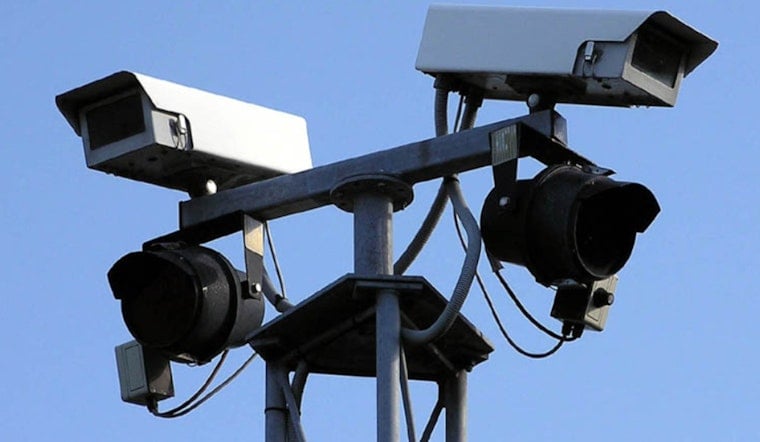
North Carolina’s new budget quietly hands the State Bureau of Investigation the power to plant AI‑enabled license plate readers along state‑maintained roads, turning highways and other DOT rights‑of‑way into potential long‑term surveillance corridors. The move effectively converts a three‑year pilot into a standing option any participating agency can tap, drawing applause from law enforcement leaders and sharp resistance from privacy advocates.
Budget language makes the pilot permanent
As reported by WRAL, lawmakers folded the license plate reader provision into this year’s appropriations act so the SBI may enter into agreements to install automatic license plate reader systems on Department of Transportation land. The change appears in the General Assembly’s ratified Appropriations Act (S257), which the legislature posted as the session law that carries the provision into effect.
What the SBI pilot recorded
According to the State Bureau of Investigation’s April report to lawmakers, 32 agencies have participated in the pilot and, as of March 15, 2026, 17 agencies had set up about 140 camera locations that together captured tens of millions of plate reads. The SBI filing lists agency‑level totals, noting that Raleigh’s three DOT‑right‑of‑way cameras alone logged roughly 14.8 million captures while several sheriff’s offices reported millions more. The report also says the pilot did not preserve any captured data for longer than the 90‑day retention window during the review period.
Retention, reporting and the fine print
The newly enacted language requires any agency that contracts to use the systems to submit its written policies and annual usage data to the SBI, and existing state law limits routine retention of ALPR data to 90 days, except when it is tied to an active investigation or subject to a legal hold. The News & Observer notes that the budget directs the DOT to enter into agreements with the SBI to place and manage the devices on state land and requires annual reporting back to legislative oversight committees.
Privacy advocates warn of mass tracking
“They treat everyone as a potential suspect,” ACLU‑NC spokesman Zac Contreras told The News & Observer, arguing that the system builds a warrantless record of people’s movements. Civil liberties groups say the cameras’ ability to help find missing people or stolen cars has to be weighed against the real risk of broad, long‑term location tracking and the potential for improper queries.
Abuses documented elsewhere
Watchdog reporting and legal groups have documented multiple instances nationwide of officers allegedly abusing ALPR access, including cases in which officers ran repeated searches to track romantic partners, and the Institute for Justice has compiled dozens of such incidents in recent years. Those episodes, which have led to arrests and internal probes in multiple states, are the main examples critics cite when they argue that audit trails and written policies on their own will not prevent misuse.
A patchwork of local rules
WRAL reviewed internal policies submitted during the pilot and found that only a handful of agencies clearly limited surveillance of protests, religious gatherings or other protected activities, while many participating agencies offered minimal or no explicit safeguards. That uneven landscape helps explain why privacy advocates and some legislators are now pressing for stronger, uniform statutory guardrails instead of leaving protections to local policy choices.
Legal implications
State materials and agency procedure manuals note that unauthorized access, retention or disclosure of ALPR data is a Class 1 misdemeanor under the relevant North Carolina statutes, and the SBI report reiterates that agencies must submit written policies for oversight. Civil liberties groups counter that misdemeanor penalties and occasional audits may not be enough of a deterrent once a system is logging millions of ordinary drivers’ movements.
Officials with the SBI and supporters in the legislature say the cameras will speed up investigations and help locate missing people. Privacy advocates respond that the state is now at a crossroads over how tightly to bind this broader authority with clear rules, robust audits and real enforcement. Readers who want the full details can review the SBI’s initial pilot report and the General Assembly’s Appropriations Act for the exact statutory language and the data the SBI provided to lawmakers.



