

























































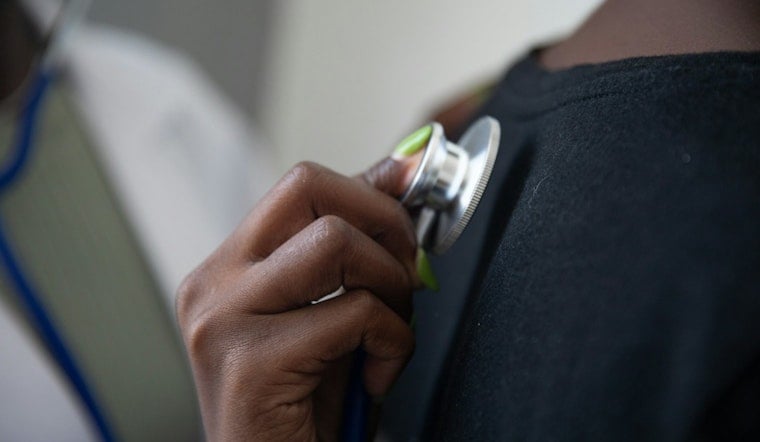
Across Minnesota exam rooms, a quiet crisis is unfolding. Nearly half of Minnesotans who responded to a statewide survey say they have been treated unfairly by medical staff or clinics, and many now delay or avoid care, sometimes until things get bad enough to send them to the emergency room. The pattern cuts across age, insurance type and identity, and people describe very real emotional and practical fallout. Health leaders warn these experiences could worsen chronic illnesses and put even more pressure on safety-net clinics that are already stretched thin.
According to the Minnesota Department of Health, 47.2% of participants in the 2024 Minnesota Healthcare Experiences Survey reported experiencing discrimination while seeking care. The brief reports that about 37.1% of people who said they were discriminated against stopped their care early, and 33.6% began avoiding healthcare except in emergencies, with nearly all of them saying the experience harmed their mental health. The report also highlights the most common reasons patients gave for feeling mistreated, including age and body weight, and notes especially high rates of discrimination among transgender and nonbinary respondents.
As reported by MPR News, the issue brief includes patient stories that show how being brushed off, misgendered or judged over insurance coverage can quickly erode trust in a clinic or provider. Clinic leaders told reporters they can see the downstream effects in their schedules, with more missed follow-up visits and patients coming in sicker because they put off routine checkups. Patient advocates say the data point to problems with staff training, intake questions and complaint systems that hospitals and clinics need to address.
Who’s Most Affected
State data show that transgender and nonbinary Minnesotans reported the highest rates of discrimination. Indigenous residents and other communities of color also described more negative experiences than white respondents. Nonelderly adults on public coverage were more likely to report unfair treatment, often linked to insurance type or concerns about ability to pay. Taken together, the numbers suggest that people who already face barriers to care are the ones most likely to stop treatment, skip preventive visits or wait longer to seek help when new symptoms appear.
Why It Matters
Decades of research link perceived discrimination in medical settings to worse mental and physical health and to lower use of preventive services. A major systematic review in PLOS ONE summarized evidence of these harms across many studies. The Minnesota brief also gathers practical ideas from patients on what might help, including more time with clinicians, better listening and clearer staff training, all aimed at rebuilding trust. Advocates argue that steps like these will be crucial if Minnesota’s progress on health coverage is going to translate into better health outcomes for everyone in the state.





