

























































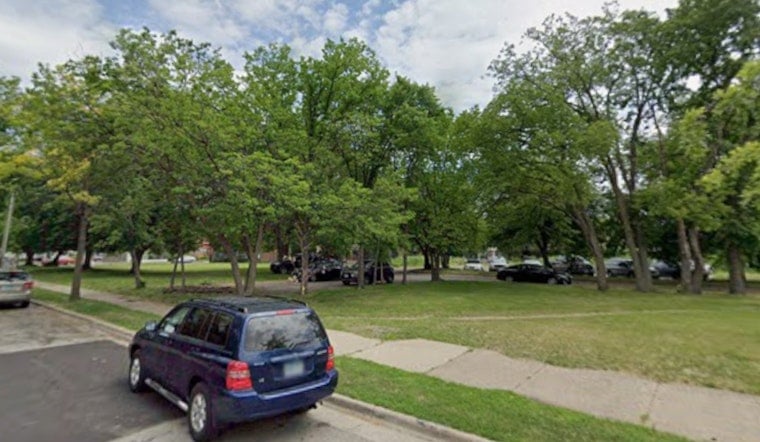
The Indigenous Peoples Task Force has officially opened the long planned Mikwanedun Audisookon center in south Minneapolis, planting a major new cultural and wellness hub in the Phillips neighborhood. The roughly $12 million, 12,350 square foot building at 2313 13th Ave. S. pulls a commercial kitchen, rentable event space and a black box theater under one roof, bringing together the nonprofit’s health, youth and food sovereignty programs. Sitting just west of IPTF’s existing offices, the facility is designed to expand culturally based wellness services for urban Native residents.
As reported by the Minneapolis/St. Paul Business Journal, the center’s kitchen, event space and theater are slated for community rentals and programming. That coverage also lays out the headline numbers that IPTF and its partners have been working toward for years, including the roughly $12 million budget and the building’s approximately 12,350 square feet.
Funding and timeline
State lawmakers carved out money for urban Indigenous projects, and the capital bill included about $2.5 million specifically for IPTF’s new multiservice center, according to the Minnesota House of Representatives. Hennepin County’s pandemic response report also points to a $750,000 award through the county’s Community Investment Initiative.
City of Minneapolis records show officials approved a land sale and redevelopment agreement for the 2313 13th Ave. S. parcel, and signed off on a purchase price write down along with supportive financing to close the nonprofit’s funding gap and get construction underway. The public files spell out the sale terms along with the structure of the city loans.
What the center will offer
Project materials from IPTF describe Mikwanedun Audisookon as a mixed use cultural and wellness hub, with clinic and office space, a healing room, teaching gardens and a café connected to a commercial kitchen that supports food sovereignty work and training programs. The organization also points to a small theater intended for youth productions and broader community performances.
Those same materials highlight plans to rely on Indigenous based building materials and renewable systems in order to push down operating costs and create job training opportunities. Local coverage of the June festivities notes that the structure uses stabilized compressed earth blocks made on site by interns, and that theater programming had already begun in late June.
In a passage cited in that local reporting, IPTF Executive Director Sharon Day framed the new building as a piece of cultural infrastructure, not just another box on the block. “Fulfilling those value systems is what makes us Indigenous,” she said.
A long road to opening
The Mikwanedun Audisookon project has been a long time coming. City files show that exclusive development rights for the site were awarded in the 2010s, followed by a 2019 land sale agreement with the Indigenous Peoples Task Force. The parcel ultimately transferred under a redevelopment plan that linked the sale to fundraising and matching commitments.
Planning records and committee materials lay out earlier project budgets, design approvals and the city’s role in cutting the site’s purchase price so the numbers would work for the nonprofit.
Neighborhood context
The Phillips location has not exactly been a quiet corner of the city. Past coverage of the nearby Nenookaasi encampment and related legal battles has underscored ongoing tensions between redevelopment plans and the immediate needs of people living outdoors along that corridor. Hoodline previously reported on the federal lawsuit involving the camp and the layered transition from encampment to redevelopment.
According to IPTF’s events calendar and the organization’s own notices, theater events kicked off the week of June 24, while a broader community open house was pushed to mid July to allow time for services to fully move into the new space. Readers are encouraged to check IPTF’s site for the latest public event details. As programming ramps up this summer, the Mikwanedun Audisookon center is positioned to function as both a cultural anchor and a practical resource for Native residents and the wider south Minneapolis community.





