

























































A brief but jarring batch of body-worn camera clips is dragging a 2020 South End police shootout back into the spotlight, and it is following a familiar name. The footage revisits a tense confrontation between Boston police and Tyler Brown, the same man now accused in this spring’s chaotic Memorial Drive shooting in Cambridge. The video shows officers racing to a South End scene that erupts into gunfire and ends with Brown in custody, and its release is resurfacing questions about his plea deal, his prison term and what all of it says about public safety and mental health oversight.
The newly published video, as reported by Boston 25 News, captures the moments after prosecutors say Brown fired roughly a dozen rounds at officers in the South End. An officer can be heard shouting “Do not move” as Brown is taken into custody, and Brown repeatedly yells phrases such as “finish this” while he is being secured, according to that reporting.
What the footage shows
Body and surveillance video reviewed by reporters show Brown running with a green bag pulled over his head before a brief but intense exchange of gunfire with officers. Police photographs from the scene later documented a handgun and other evidence. The recordings also capture raw on-scene audio from officers and bystanders in the chaotic moments after the shots, material that investigators and prosecutors have cited in their summaries of the 2020 case. As detailed by WCVB, the clip underscores how quickly the incident unfolded.
Why the 2020 sentence is under renewed scrutiny
Brown was later sentenced in the 2020 case to five to six years in prison, a term local officials say was significantly shorter than what prosecutors had requested. That gap is drawing fresh criticism now that the body-cam video is public. Middlesex and Suffolk prosecutors, along with elected leaders, have argued that the case highlights gaps in how the system responds to people who fire indiscriminately in public, and it has fed calls for tougher penalties. Boston.com has tracked those reactions to the earlier sentence.
How the 2020 episode ties to Memorial Drive
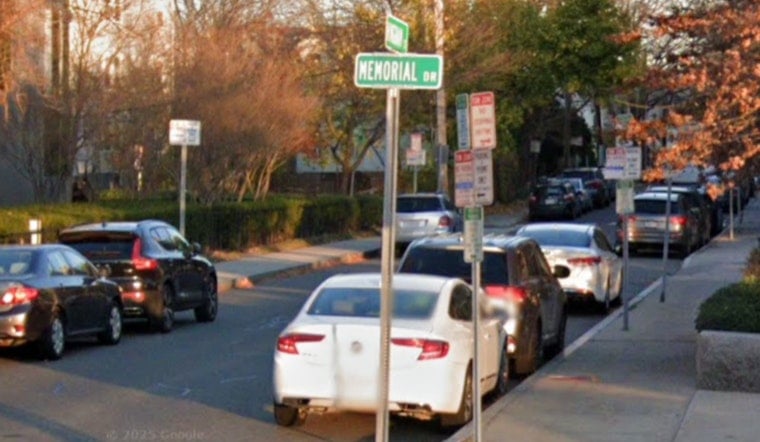
The renewed attention comes in the wake of the May 11 Memorial Drive rampage in Cambridge, where prosecutors say the same man opened fire along a busy stretch of roadway, firing dozens of rounds and wounding two people. Authorities say a state trooper and an armed civilian intervened and that Brown was taken into custody after being shot in the lower extremities. He later appeared in court on charges that include armed assault with intent to murder. Those details are laid out in contemporaneous coverage and court filings, including reporting by the Associated Press on the timeline and charges.
Mental health and parole questions
Court filings and state police reports related to the Memorial Drive case state that Brown had been released from a psychiatric hospital only days before the shooting. They also say his parole officer contacted police after Brown expressed suicidal intent on videophone. Those pieces of the record, and their connection to the two episodes of gunfire, have prompted renewed scrutiny of how parole supervision, psychiatric care and community safety intersect in violent cases. WBUR reported on the hospitalization and the parole contacts.
Legal implications
Legal and policy fallout is already in motion. Prosecutors and some lawmakers are weighing changes that would broaden penalties for firing into crowds or in public places, and Middlesex District Attorney Marian Ryan has publicly questioned whether past sentences in similar cases have been adequate. Prosecutors have said the 2020 record will be part of the case against Brown in Cambridge as they argue that he is too dangerous to be released. For background on the push for stiffer penalties and local reaction, see coverage from Boston 25 News.
Brown remains in custody and faces multiple counts tied to the Memorial Drive shootings. Prosecutors and defense attorneys are expected to battle over the evidentiary and mental health questions as the case moves forward, and observers can expect the newly public body-cam material to feature in upcoming hearings as prosecutors press for conditions that reflect the latest allegations and Brown’s criminal history.



