

























































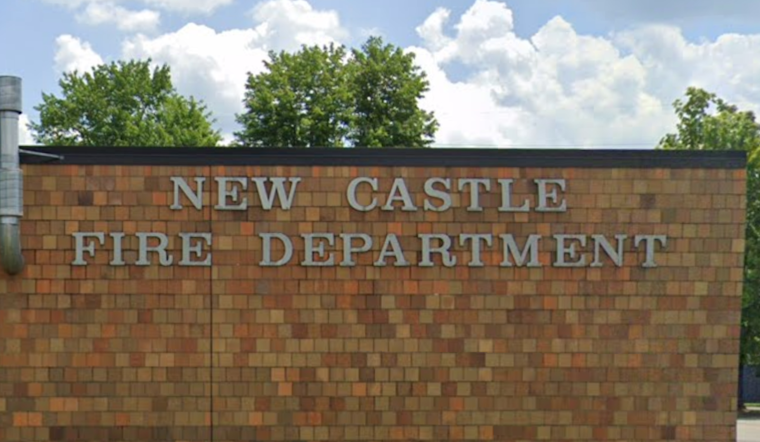
New Castle’s firefighters just got a serious boost to their water-rescue playbook, landing two grants worth a combined $70,100 for new operating and training equipment, including a swift-water rescue vehicle and scuba gear. The money, coming from a local foundation and a state grant program, is aimed at strengthening the department’s response to water emergencies across Lawrence County.
Hoyt Foundation grant fuels boat and dive upgrades
The largest piece of the funding, a $56,600 award from the May Emma Hoyt Foundation, will go toward a new swift-water rescue vehicle and scuba equipment, according to New Castle News. The foundation’s own guidelines note that it backs capital improvements and operating projects that benefit residents of Lawrence County, according to the May Emma Hoyt Foundation.
State grant tops off training funds
The city also landed a $13,500 state grant administered by the Pennsylvania Emergency Management Agency and the Office of the State Fire Commissioner, as announced by Rep. Marla Brown. That statewide program is designed to help fire departments pay for equipment, training and facility upgrades, giving local crews a financial nudge to keep skills and gear up to date.
Recent creek rescue shows why gear counts
Last June, New Castle crews relied on a department boat to pull a kayaker from fast-moving water on Slippery Rock Creek after the person became trapped, a tense call that highlighted how vital specialized water-rescue tools can be. WFMJ reported on the June 11, 2025 rescue, and the City of New Castle notes that the department already performs water rescues and maintains an air-supply trailer for SCBA refills, which the new equipment is expected to complement.
Training plans and what comes next
The grants are specifically intended to pay for both operating gear and training for the city’s water-rescue team, according to New Castle News. City officials have not yet released a detailed timeline for purchasing the rescue vehicle and dive equipment, and the department is expected to move through typical bid processes and vendor lead times before the new apparatus and gear are put into service.


