

























































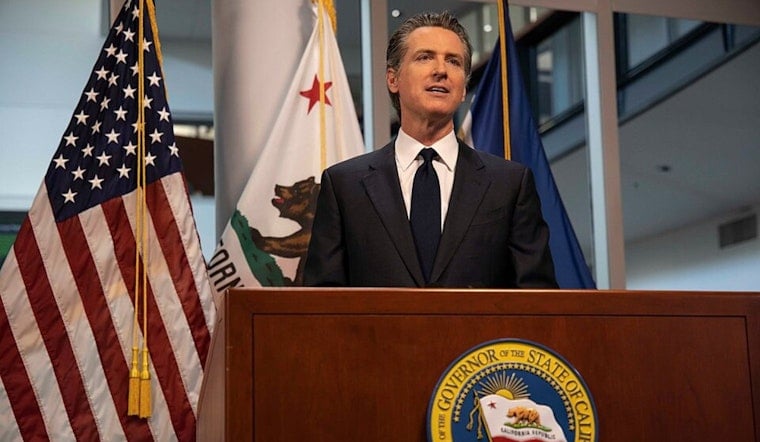
Gov. Gavin Newsom today firmly defended California’s use of Medi‑Cal dollars to cover housing, meals and other social supports, arguing the state is treating health care as more than just doctor visits and prescriptions. His stance comes as a growing political fight over those benefits spills into federal oversight and funding decisions, leaving some services and patients unsure how long their coverage will last.
GOP Accusations And Political Heat
In a burst of Capitol Hill outrage, Sen. John Kennedy of Louisiana accused California of committing outrageous fraud, blasting Medi‑Cal spending on items such as gym memberships and tribal prayers, according to KFF Health News. Republicans argue that eye‑catching examples of nonclinical spending show Medicaid dollars are being siphoned away from core medical services, and they are pressing federal officials to clamp down with tighter limits on what states can cover.
How CalAIM Works And Who It Reaches
At the center of the fight is California’s CalAIM initiative, which allows Medi‑Cal managed‑care plans to offer an array of community supports, including housing tenancy assistance, medically tailored meals and enhanced care management. State reporting shows the program has grown quickly since its 2022 launch, according to the California Department of Health Care Services. The Governor’s May Revision outlines roughly $217 billion in total Medi‑Cal funding for 2026‑27, and observers note the state has put about $12 billion in combined state and federal money into expanding these social supports since CalAIM began, based on an analysis by the Assembly Budget Committee and reporting from California Healthline.
Federal Review Puts Benefits At Risk
Federal regulators have meanwhile stepped back from earlier broad guidance that encouraged states to cover social needs, saying instead that such proposals will now be evaluated on a case‑by‑case basis, according to a Centers for Medicare & Medicaid Services bulletin. Tensions spiked in May when federal officials announced a $1.3 billion deferral of Medicaid funds to California over suspected fraud, a move reported by AP News that has only intensified Republican scrutiny of how the state is using Medi‑Cal money.
Patients And Plans Point To Early Gains
On the ground, providers and some insurers counter that these social supports are already delivering results for high‑need patients and the bottom line, helping reduce emergency room visits and costly inpatient stays. State data show that Enhanced Care Management alone has connected more than 451,000 Medi‑Cal members with high‑touch case management services since 2022, and health plans report declining hospitalizations among members who receive CalAIM services, according to KFF Health News and state reports.
Budget Moves Could Tighten Access
The Governor’s May Revision also includes proposed Medi‑Cal changes that, according to a Senate Budget Committee summary, would save about $68.3 million in 2026‑27 and roughly $150.2 million a year after that by tightening eligibility, clarifying service definitions and refining payment rules for CalAIM. At the same time, the administration is working to fold some of these social supports directly into managed‑care plan requirements so they will not rely on repeated federal waivers, a strategy detailed by the Times of San Diego.
What’s Next
With federal scrutiny, state budget pressure and partisan warfare now colliding around Medi‑Cal, the future of California’s social‑support experiment will likely hinge on upcoming waiver decisions, budget negotiations and potential legal fights. Newsom has framed the approach as “about whole‑person care” and warned that federal pullbacks could weaken critical services, while Attorney General Rob Bonta has accused critics of politicizing fraud allegations, according to reporting from the Times of San Diego.





