

























































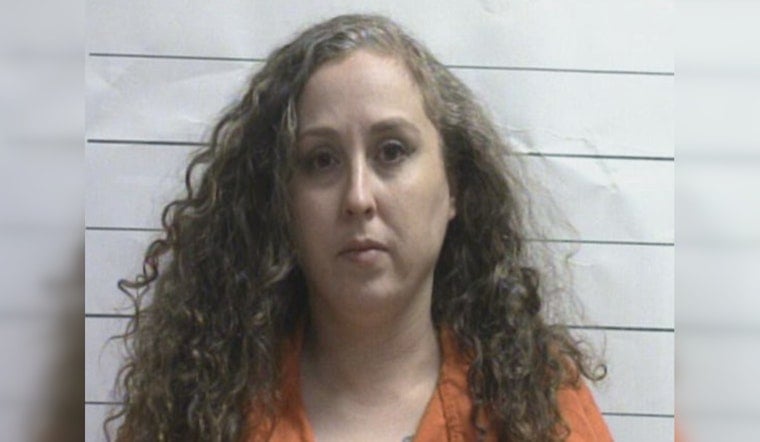
A New Orleans jury on Tuesday convicted 39-year-old Laura Collins of second-degree murder in the strangling death of her fiancé and found her guilty of manslaughter without intent and obstruction of justice in a separate hit-and-run that killed a bicyclist. The verdict ties up two closely linked prosecutions that began with a Jan. 9, 2020 collision and a Jan. 12, 2021 domestic call that ended with her boyfriend dead. Prosecutors say the murder conviction carries a mandatory life sentence, and Judge Simone Levine set Collins' sentencing for July 30, 2026.
According to prosecutors, the manslaughter charge grew out of a Jan. 9, 2020 crash in which Collins' Jeep Cherokee struck and killed a cyclist, after which she contacted her then-boyfriend and said she had "hit something," according to court records. As detailed by FindLaw, Collins faced two separate cases: manslaughter for the fatal collision and second-degree murder for the later death. The state won permission to introduce evidence from the collision during the murder trial, arguing it showed motive and intent.
Trial and evidence
The jury deliberated for roughly 90 minutes before returning the guilty verdicts, according to NOLA.com. At trial, forensic experts testified that Gerald Robicheaux died from neck compression and blunt-force trauma, and a pathologist described catastrophic internal injuries, including internal decapitation and a severed aorta. On body-worn camera video, Collins is heard saying, "All I did was defend myself when he attacked me," while defense experts told jurors that Robicheaux showed signs of coercive control. Collins' attorney, Michael Kennedy, said he plans to appeal the murder conviction, NOLA.com reported.
Legal consequences and next steps
Judge Levine scheduled sentencing for July 30, 2026, and prosecutors say the second-degree murder conviction mandates a life term with very limited prospects for early release. The case had already seen a complicated pretrial fight over evidence. In 2023, an appeals court weighed whether prosecutors could introduce details from the 2020 collision at the murder trial and ultimately allowed the manslaughter evidence to come in. As outlined by FindLaw, the appellate panel ruled that the probative value of the crash evidence outweighed any unfair prejudice, a decision prosecutors leaned on when presenting their case to the jury.
The dual convictions cap an unusual legal saga that combined a deadly roadway crash with an intimate-partner killing in New Orleans. The case is expected to move into post-verdict motions and the appeals process, and family members of the victims have said the outcome closes a long and painful chapter, according to NOLA.com.





