

























































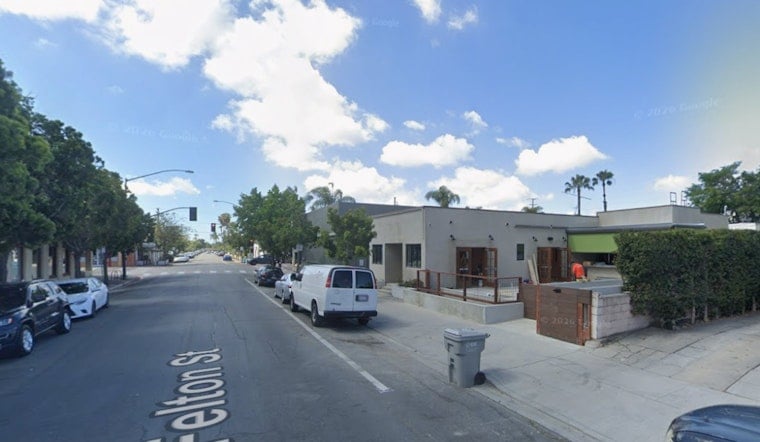
In Normal Heights, a new neighborhood cafe is serving lattes with a side of life change. Opened at the end of June, the spot pairs daytime farm-to-table service with a hands-on job-training program for immigrant and refugee women. Nonprofit MAKE Projects runs the cafe as both a public restaurant and a workforce-development hub, with early classes of trainees already rotating through the kitchen, garden and front-of-house shifts.
MAKE Cafe, at 4712 Felton Street, is now pouring breakfast, brunch and lunch during daytime hours, according to The San Diego Union-Tribune. The project grew out of a pop-up series that began in July 2021, and the cafe now pulls its produce from MAKE Farm, on-site gardens and other local farms. Leaders marked the late-June grand opening as the moment a neighborhood hangout officially doubled as an employment pipeline.
How the Training Works
MAKE Projects runs a 12-week paid program that cycles participants through three distinct roles. Trainees spend one month at MAKE Farm, one month as kitchen assistants and a final month as servers and baristas. The nonprofit onboards roughly three new participants each month and pairs every hands-on shift with job-readiness coaching, according to MAKE Projects. Organizers say that paying participants and building real work experience are nonnegotiable pieces of helping graduates move into long-term jobs.
Menu, Leadership and Farm Ties
Executive chef Ashley McBrady has built a menu that mirrors trainees’ diverse culinary traditions while leaning heavily on seasonal, local produce. The cafe and its garden function as a restaurant and a training ground at the same time, a shift highlighted in a recent profile by There San Diego. Staff and trainees cook shoulder to shoulder so that every service becomes both a meal for customers and a live classroom for the program.
Goals and Community Impact
MAKE Projects frames the Normal Heights cafe as one piece of a broader effort to move refugee and immigrant women into living-wage careers. The organization aims to employ about 40 participants a year at the site and reach 600 job placements countywide by 2030, according to its capital-campaign materials. Since launching in 2017, the nonprofit reports hundreds of program graduates and strong post-program employment rates, which organizers point to as evidence that the model delivers. Fundraising efforts and local partnerships helped turn a long-planned idea into a permanent training space.
Voices From the Cafe
Trainees such as Anli Hagiyama, an immigrant from Japan now in the final barista rotation, along with participants from Haiti and the Dominican Republic, described the practical, paid experience as a major confidence boost. Those working the floor told The San Diego Union-Tribune that on-the-job English practice, references and a real work history have already shifted how they think about future careers. Organizers say those individual gains add up to the program’s core mission: moving people into stable, higher-paying jobs.





