

























































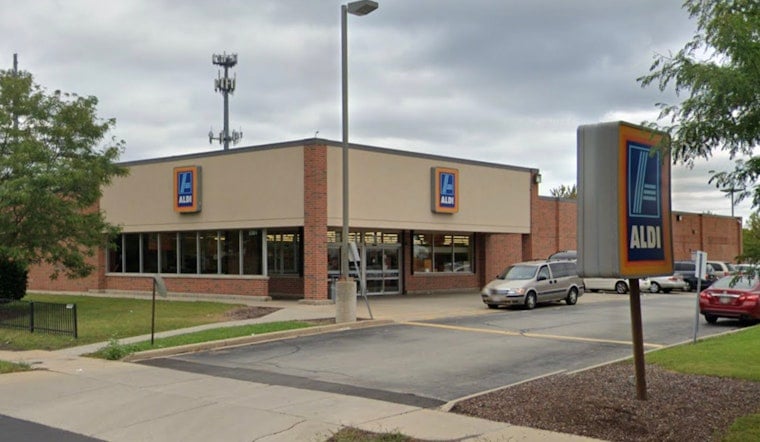
Milwaukee's North Side could soon see a major grocery comeback, with a local operator stepping up to revive the long-vacant Aldi site and bring fresh food back to a neighborhood that has been scrambling for options all year. The proposal would reuse the old store's sales floor, checkout lanes, parking lot and loading dock, but swap in a new independent grocer. City review and a final vote from the Common Council will decide whether the deal actually happens.
What’s Planned For The Old Aldi Building
Gurdev Singh, co-owner of Galst Food Market, has applied for the licenses and occupancy permits needed to open a new store called “Hopkins Grocery” at 5301 N. Hopkins St., according to Urban Milwaukee. The application lays out a roughly 16,945-square-foot supermarket that would add new coolers and freezers and stock fresh produce, meat, dairy, frozen foods and other packaged goods, along with liquor and tobacco. Proposed store hours are 8 a.m. to 9 p.m. every day. If the city signs off in time, the operator is eyeing an opening as early as September.
What Neighbors Lost When Aldi Walked Away
The Hopkins Street building has been empty since Aldi shut the store in January, a closure that sent nearby residents to more distant chains for basic groceries and ignited worries about broader pullbacks on the North Side. Coverage at the time captured customers’ anger and flagged the Aldi shutdown as part of a larger wave of supermarket and pharmacy closures across Milwaukee’s North and Northwest sides, as reported by TMJ4.
Alderwoman Andrea Pratt has been blunt about what those losses mean in everyday terms, telling WTMJ, “I should be able to get a tomato in my neighborhood; it has to be easier than this” and adding that “food security is about dignity.”
How City Hall Is Trying To Keep Groceries Within Reach
City officials have been scrambling on two tracks at once, rolling out quick fixes and longer-term policy work. The mayor’s office launched a grant program to help grocers cover equipment and start-up costs, and set up an interdepartmental task force to strengthen food access in vulnerable areas. In April, the Common Council went a step further, passing a resolution that declared “food apartheid” a public health emergency and instructed the Milwaukee Health Department to put eliminating those disparities near the top of its to-do list. The goal is to give neighborhoods a fighting chance when big chains announce closures.
Why One Replacement Store Carries Extra Weight
Researchers and local mapping efforts have long shown that access to full-service supermarkets in Milwaukee is lopsided. Higher income, predominantly white neighborhoods tend to have more large grocery options, while many northwest-side communities make do with far fewer, smaller choices. A University of Wisconsin–Milwaukee analysis mapped those food-resource gaps and tied them to worse chronic disease outcomes in parts of Milwaukee County, underscoring why finding a new operator for the old Aldi site is about more than convenience, according to UWM research.
The city has logged some isolated wins, like One City Foods taking over the grocery space at 6350 W. Silver Spring Dr., but advocates say Milwaukee still needs broader policy changes and sustained investment to close the gap, as reported by Urban Milwaukee.
What Happens Next
The license application for Hopkins Grocery is now in the hands of the Common Council, where it must clear aldermanic review and secure the required occupancy permits, according to the Milwaukee Journal Sentinel. If the approvals arrive on schedule and equipment installation stays on track, the owner is targeting a September opening. The applicant did not immediately respond to requests for comment.





