

























































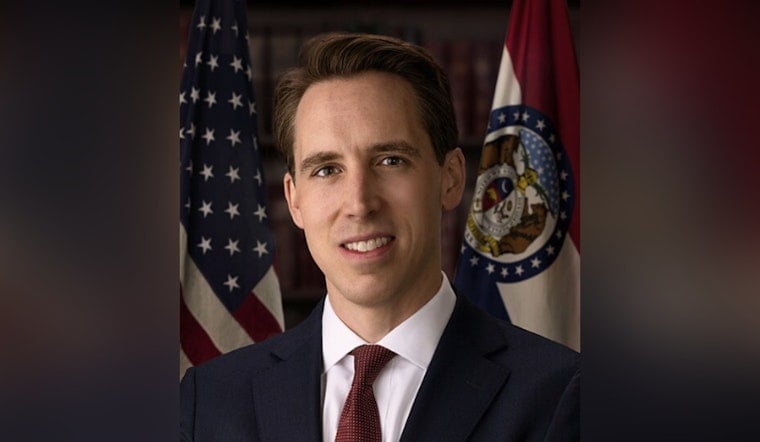
What started as a huge pile of dumped letters in north St. Louis has turned into a full-on congressional probe of the U.S. Postal Service. Sen. Josh Hawley is demanding answers after thousands of pieces of mail were discovered abandoned on April 29, at the same time federal audits have flagged serious slowdowns at regional processing centers and questions are mounting about executive bonuses. Hawley says the records he is seeking should clarify whether the mess traces back to bad management, potential criminal conduct, or both.
Hawley Demands Documents And Answers
In a letter to Postmaster General David Steiner, Hawley’s office is asking for internal communications, production records and written responses, with a deadline of July 15 for everything to land on his desk. The senator’s release describes the April 29 discovery in north St. Louis as “thousands of pieces of mail” and notes that residents are still waiting for a full accounting of what went wrong.
According to Hawley’s office, the request also seeks details on executive compensation and the “scorecards” used to justify bonuses for top postal leadership.
OIG Audits Flag Big Backlogs
Recent audits by the U.S. Postal Service Office of Inspector General have documented chronic processing problems in the St. Louis region, including millions of delayed pieces of mail and repeated missed performance targets over months. Local reporting notes that the OIG found large numbers of delayed letters and flats at regional facilities, and lawmakers are pointing to those findings as evidence that the agency’s network redesign and staffing shortages are creating recurring backlogs.
As reported by KCUR, those OIG figures and service-performance metrics have become central to elected officials’ complaints about mail delivery in Missouri.
Heated Clash Over Bonuses And Accountability
Hawley took his concerns directly to Steiner during a Senate Homeland Security hearing this month, holding up photos of the north St. Louis mail dump and pressing the Postmaster General on whether he would refuse his bonus until delivery performance improves. The exchange turned tense as the two sparred over who should be held responsible and how transparent the Postal Service has been with the public.
Reporting says Hawley also asked whether any postal employees tied to the dumped mail had been referred to the Department of Justice for possible prosecution. Fox News reports that Steiner did not agree to return or forgo his bonus following the hearing.
What Hawley Wants, And Why It Matters
Hawley’s letter seeks a broad set of records: communications about the April 29 incident, itemized compensation data for Steiner and other senior leaders, and the performance scorecards used to calculate executive bonuses. The senator argues that those materials will help Congress determine whether management decisions, subcontracting choices, or operational redesigns contributed to the breakdowns described in OIG reviews.
According to Hawley’s office, written responses and documents are due to his staff by July 15.
Legal Stakes And What Comes Next
Federal law makes theft, concealment or destruction of mail a crime. The statute most often cited in mail-theft cases is 18 U.S.C. § 1708, which carries potential prison time and fines for anyone who steals or knowingly possesses stolen mail. For investigators to pursue criminal charges, they typically look for signs that mail was intentionally diverted, hidden or destroyed rather than simply delayed by operational failures, and that threshold would be central if the OIG sends a referral to prosecutors. The full statute is available at Cornell LII.
What happens next hinges on several key moments: Hawley’s July 15 document deadline, any updates or referrals from the OIG to the Justice Department, and whether the Postal Service offers a more detailed explanation of the north St. Louis discovery. If the USPS response is thin or slow, this investigation could become the opening act for formal oversight hearings or new legislation aimed at forcing operational repairs and tightening the rules around executive pay.





