

























































Parents in New York City are scrambling after a reported stomach-bug wave swept through several pricey sleepaway camps in the Poconos and Catskills, leaving some children sick enough to head home midseason. The reports describe vomiting and gastrointestinal symptoms spreading through tightly packed camp communities, where shared cabins, meals, bathrooms and intercamp events create a particularly efficient germ highway.
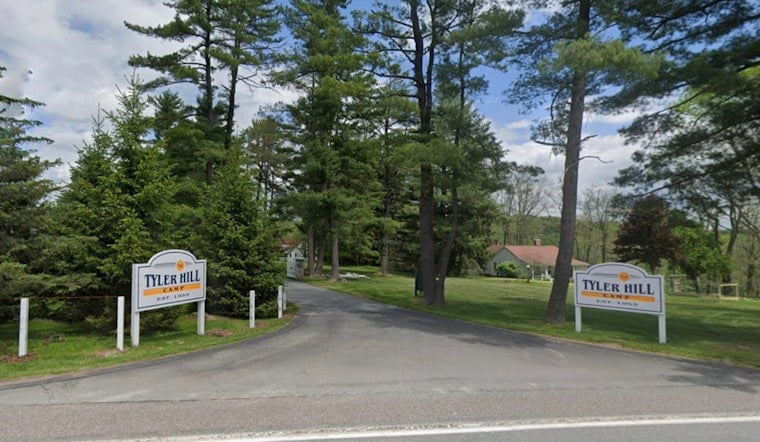
The trouble became especially visible after visiting day at Tyler Hill Camp in Wayne County, Pennsylvania, where parents told the New York Post that a stomach-bug outbreak hit in mid-July. Tyler Hill hosts nearly 500 campers during its June-to-August season, while a related report from Trail's End Camp said seven campers fell ill after a lacrosse tournament at Tyler Hill; Tyler Hill's director reportedly called the outbreak the “fifth plague of 2026.”
The price tag is significant: Tyler Hill Camp lists 2026 tuition as high as $18,475 for its full summer season, with the camp running from June 25 through August 12. The camp says it draws families from New York, New Jersey, Connecticut, Pennsylvania, Florida and other states, making its health problems especially relevant to parents across the New York metro area.
Why Sleepaway Camps Can Turn One Sick Camper Into Many
The Centers for Disease Control and Prevention says norovirus spreads easily in youth camps through infected people, contaminated food or water and contaminated surfaces. Its camp-specific guidance calls for isolating sick campers and staff, using separate restrooms and eating areas, and keeping symptomatic people away from food service for at least 48 hours after symptoms resolve.
The reported illness also reached other high-end camps in the region. The New York Post reported that Timber Lake Camp in the Catskills had 15 campers and staff members with gastrointestinal symptoms in younger age groups, while camp health centers were inundated with parent requests for vitamins and medication. One Timber Lake email reportedly said one in five campers had been taking elderberry gummies each morning.
That supplement scramble is understandable, but it is not the main defense emphasized by public-health guidance. The CDC's camping advice stresses washing hands with soap and water, avoiding shared food and drinks, separating sick campers and thoroughly cleaning areas contaminated by vomit or diarrhea; it also notes that hand sanitizer alone does not work well against norovirus.
The biggest unanswered question is what pathogen, if any, is behind the clusters. The reporting reviewed for this story does not establish a single regional outbreak or identify a laboratory-confirmed cause, so “stomach bug” remains the most accurate description for now rather than a confirmed norovirus diagnosis.
What Parents Should Ask Before Sending Campers Back
Families with children still at camp should ask whether the camp has identified affected cabins or activity groups, how sick campers are being isolated, and what symptom-free period is required before a child rejoins shared meals and activities. The CDC's norovirus overview says most illnesses improve within one to three days, but repeated vomiting or diarrhea can cause dehydration, particularly in children.
Many campers are expected to return after brief recoveries at home, according to the reporting, but the logistical burden is landing squarely on parents who paid luxury prices for a summer of sports, bunkmates and independence. At these camps, the immediate challenge is not just getting kids well; it is stopping the next wave before the camp calendar reaches its final weeks.





