

























































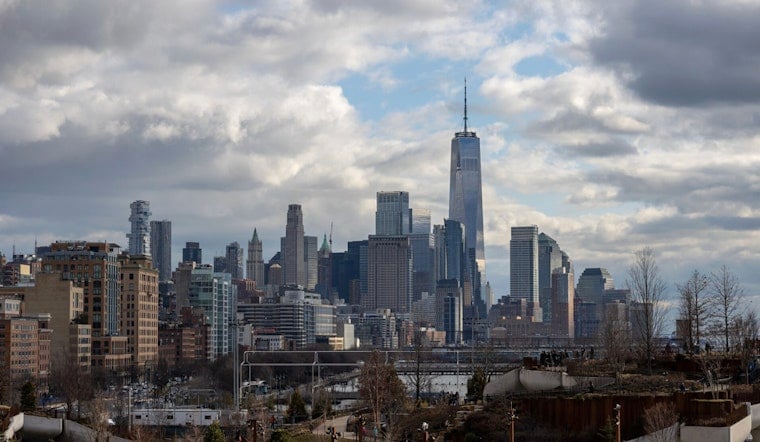
New York City’s building rulebook is getting its biggest rewrite in decades, and this time it is all about the buildings that already exist. The Department of Buildings announced Monday that the city has adopted its first-ever Existing Building Code, a sweeping overhaul intended to make repairs, renovations and preservation less of a bureaucratic maze across all five boroughs. The new framework replaces layers of older rules and is scheduled to take effect on July 17, 2027.
the new Code will make it easier to repair, renovate, and preserve existing buildings across the five boroughs while streamlining compliance for industry professionals https://x.com/i/status/2079200267036172304
— Department of Buildings (@NYCBuildings) July 20, 2026
What the department says and the timetable
According to the Department of Buildings, the New York City Existing Building Code was officially enacted on January 17, 2026. It will govern alteration applications that are filed on or after July 17, 2027, giving building owners, designers and contractors a long runway to get familiar with the new rules. To bridge the gap, the agency has rolled out training modules, newsletters and case studies so the industry can get up to speed on the new compliance options before the switch flips.
Major changes owners and contractors will notice
In a press release, the Department of Buildings spells out a series of nuts-and-bolts changes aimed at making renovation work more predictable and less paperwork heavy. The package formally repeals the 1968 Building Code, shifts key applicability triggers away from overall project cost and toward the size of the work area, and introduces Limited Home Improvement Permits and Limited Alteration Application (LAA) pathways for common jobs such as window replacements and re-roofing. The code also standardizes tenant and occupant protection plans, tightens fire-safety provisions for altered egress stairways, clarifies where automatic sprinklers are required, and adds targeted structural condition assessments for larger alteration projects. “Today’s vote is the culmination of years of work,” Buildings Commissioner Jimmy Oddo said in the statement, adding that the reforms are intended to both speed up projects and strengthen public safety, as detailed in the Department of Buildings press release.
Industry reaction and the bigger picture
The new rules are modeled on the International Existing Building Code, and the International Code Council has praised New York City’s move as a step forward for both safety and sustainability. During the council’s review process, trade and engineering groups testified that the EBC should cut down on the need for job-specific variances and help shorten permitting timelines. Supporters argue those shifts could lower renovation costs and make adaptive reuse projects more realistic in neighborhoods across the five boroughs.
How to prepare and the legal framework
The EBC is codified as Chapter 12 of the New York City construction code set and, per the enacted text, becomes the controlling standard for alteration filings on July 17, 2027. Project teams planning work that might qualify as Level 1 or Level 2 alterations are being urged to review the EBC alteration pathways now and to consider early structural and accessibility evaluations so project scope and budgets can account for any newly triggered requirements.
Owners, architects and contractors are likely to benefit from the department’s trainings and case studies in the coming months and will need to measure work areas carefully when scoping jobs, since the new thresholds and permit types reshape how many routine projects are filed and reviewed. Until the Existing Building Code’s effective date, the city will continue to accept applications under the current 2022 Construction Codes and existing prior-code options, giving teams a limited window to choose which framework works best for their timelines.



