

























































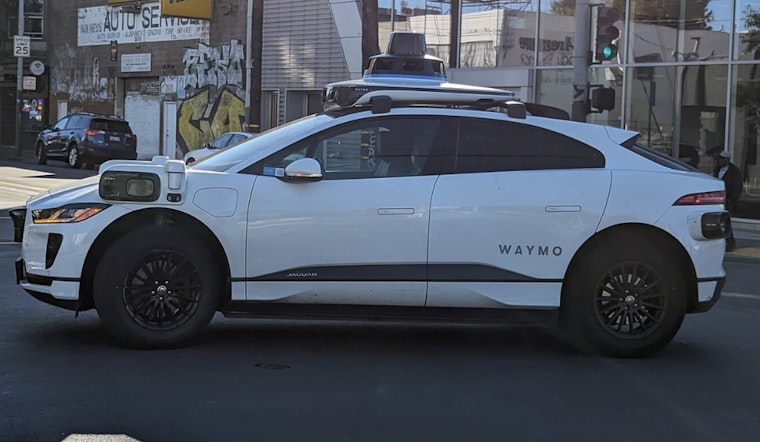
A new analysis from Hunter College’s Sam Schwartz Transportation Research Program and the advocacy group Open Plans is throwing some cold water on the driverless-car hype, warning that robotaxis could change, and in some ways worsen, street safety in New York City. The July report leans on public Waymo data from California, stacks it up against the crash record of New York’s taxi and rideshare fleet, and comes away with a mixed safety picture that the authors say should put the brakes on any rush to replace professional for-hire drivers on crowded city streets.
Report finds mixed safety signals
According to Open Plans, the report found that, nationally, Waymo’s vehicles were involved in roughly 67% fewer injury-causing crashes per million miles, but about 1.5 times the rate of crashes causing a death or serious injury per million miles compared with New York City’s for-hire fleet. The authors say that gap grows to more than three times in the San Francisco Bay Area. They argue those conflicting results are driven largely by where and when robotaxis operate, and by the fact that New York’s professional for-hire drivers are already much safer than the average motorist.
Waymo says time and place matter
Waymo is not exactly thrilled with the study’s approach. The company argues that simple per-mile comparisons can mislead because crash risk swings dramatically depending on location and time of day. In a company post and its June safety update, Waymo published time-matched analyses and said its data show far fewer serious-injury crashes when comparisons are adjusted for where and when its cars actually drive.
Deadheading and parking could worsen congestion
The report does not stop at crash rates. It also warns that robotaxis may pump up total vehicle-miles traveled because they rack up more empty miles between fares. Using Waymo’s public operating data, Open Plans estimates that robotaxis deadhead about 14.8% more empty miles per passenger mile than New York’s Uber and Lyft fleets. The report also notes that Waymo vehicles spend over half their waiting time parked in California, patterns the authors say could translate into extra traffic and curb pressure in a city where every inch of street space is already spoken for.
Regulatory backdrop and what’s next
The city’s current rules mean any autonomous vehicle operator would need to work with the Taxi and Limousine Commission and the Department of Transportation on licensing and curb management, according to NYC DOT. The report lands in the middle of a broader mood of caution from state and city officials. Hochul hit the brakes on earlier budget language that would have expanded robotaxi pilots, and supervised testing in the city has stayed limited while policymakers hash out their next moves.
The report’s authors are not calling for a permanent freeze, but they do urge some firm conditions before any expansion. They want detailed data transparency, mandatory benchmarking against New York’s professional for-hire fleet, fees to capture the street and curb impacts of driverless services, and limits on robotaxi operations in the densest commercial corridors. Regulators now have to decide whether to treat Waymo’s California record as a green light to speed up approvals, or as a warning sign that New York should install stronger guardrails before letting driverless cars take over its streets.



