

























































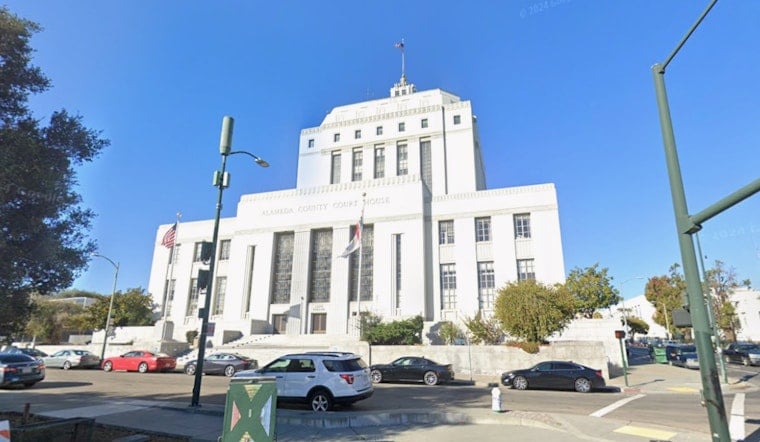
An Alameda County judge yesterday ordered Andre Griffin to stand trial in the 2019 killing of Keith Woodson, keeping a closely watched Oakland murder case alive even as defense lawyers argue the entire investigation is contaminated by an allegedly corrupt homicide detective. The hearing zeroed in on whether the evidence gathered after the December 2019 slaying can be trusted, and the ruling pushes the case one step closer to a jury while leaving a long list of legal battles still to come.
Judge Clifford Blakely ruled that Griffin, 42, will be held to answer on a murder charge in the Dec. 23, 2019 killing of 36-year-old Woodson. Court records show Griffin remains at Santa Rita Jail on a no-bail hold. According to The Mercury News, he is next due back in court on Aug. 17. Prosecutors argued that witness identifications and recovered physical evidence clear the low bar needed to move forward, while the defense countered that the entire probe has been compromised.
Detective's alleged misconduct clouds the case
Hovering over the case is veteran Oakland homicide Detective Phong Tran, whom prosecutors later accused of bribing witnesses and lying under oath, accusations that triggered a sweeping review of his work. As reported by KTVU, Alameda County officials have said Tran's alleged conduct could force a reexamination of scores of homicide investigations. That slow-moving reckoning is now colliding with Griffin's prosecution, as defense lawyers push for rulings that could sharply limit what jurors are allowed to hear at trial.
Evidence presented at the preliminary hearing
At the preliminary hearing, police testified that a surviving victim was shot in the buttocks during the incident. Detective Jose Barocio told the court he identified Griffin from surveillance footage. Officers also searched a used-car lot and reported finding a handgun inside an old Saab, although DNA testing did not tie Griffin to that weapon, according to The Mercury News.
What comes next
Griffin remains jailed without bail and is set to return to court next month while prosecutors and defense attorneys prepare a barrage of pretrial motions. The controversy around Tran has already drawn its own spotlight, including separate coverage of earlier delays when a key witness in Tran's bribery case could not be located, and that broader attention has only intensified scrutiny of how evidence from nearly seven years ago was preserved and handled.
Local attorneys expect the procedural wrangling now underway to stretch into the fall, as both sides fight over which witnesses and pieces of evidence will actually make it in front of a jury.
Legal implications
If judges ultimately find that the underlying investigative work was compromised, defense lawyers say they will follow up with subpoenas, suppression motions and demands for additional discovery, and that prosecutors could face serious pressure to dismiss the case if crucial testimony ends up discredited.
Prosecutors counter that they have gone back through the files and still see enough admissible evidence to take Griffin to trial. Even so, the lingering questions about witness credibility and Tran's role threaten to complicate not only this prosecution but also other homicide cases and sentence reviews that touch his work. For now, Judge Blakely's ruling keeps Griffin's case moving forward while a much larger institutional review of past Oakland homicide investigations continues in the background.





