

























































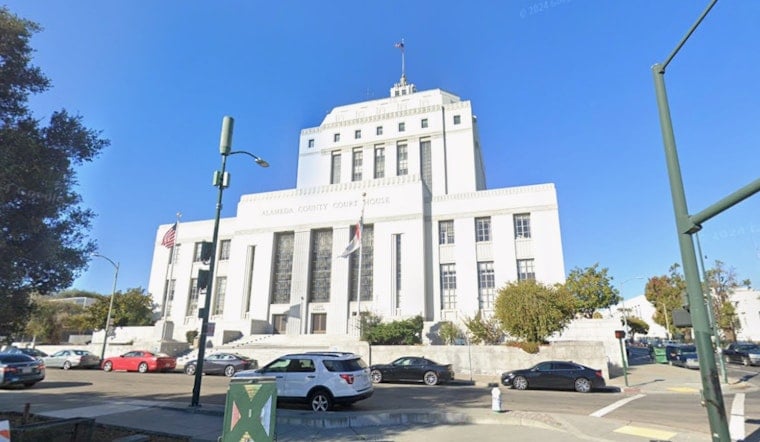
An Alameda County Superior Court judge has thrown out misdemeanor charges against a woman whose attorney says a police call inside her home spiraled out of control, left her injured, and landed her in jail for six days while she is fighting stage 4 back cancer. The judge also lifted a criminal protective order tied to the case, effectively ending the prosecution after a hearing that featured testimony from the woman’s husband and her deputy public defender.
At a pretrial hearing, Deputy Public Defender Langston Glaude told the court that officers were originally dispatched to a situation that did not center on his client, then initiated multiple acts of physical violence, allegedly body-slamming her and breaking one of her toes. The woman was booked on misdemeanor counts that included battery and remained in county custody for six days, according to Davis Vanguard. Deputy District Attorney Esther Lemus told the court that discovery had already been ordered at an earlier hearing and that additional materials had since been turned over to the parties.
Judge Cara Sandberg, who serves on the Alameda County Superior Court bench, considered the defense motion before deciding to dismiss the case. As noted on Berkeley Law's alumni page, Sandberg is one of the school's graduates now sitting on the Alameda bench, and the same alumni listings identify Glaude's role with the Alameda County Public Defender's Office.
What the court heard
In court, Glaude described the arrest as a miscarriage of justice in all ways and urged the judge to drop the case outright, pointing to his client’s serious health condition and the level of force he says officers used during the incident. Judge Sandberg ultimately found that dismissal was appropriate in the interest of justice and also granted the defense request to terminate the criminal protective order, according to Davis Vanguard. The district attorney’s office told the court it would continue to review the evidence.
Bigger picture
The ruling arrives as Alameda County and the broader Bay Area confront a steady stream of high-profile questions about use of force and police decision-making. As reported by the San Francisco Chronicle, recent lawsuits and official inquiries have kept local law enforcement practices under a bright and often unforgiving spotlight. National research has also traced deep racial and enforcement disparities in arrests and police contacts, and the National Academies' recent review outlines how those gaps can ripple through the entire criminal justice system.
What’s next
With the misdemeanor charges dismissed and the protective order lifted, criminal proceedings in this case are over for now. The outcome underscores how a defendant’s medical fragility, combined with contested claims about officer conduct, can shape how prosecutors and judges handle lower-level criminal cases in Alameda County courts.





