

























































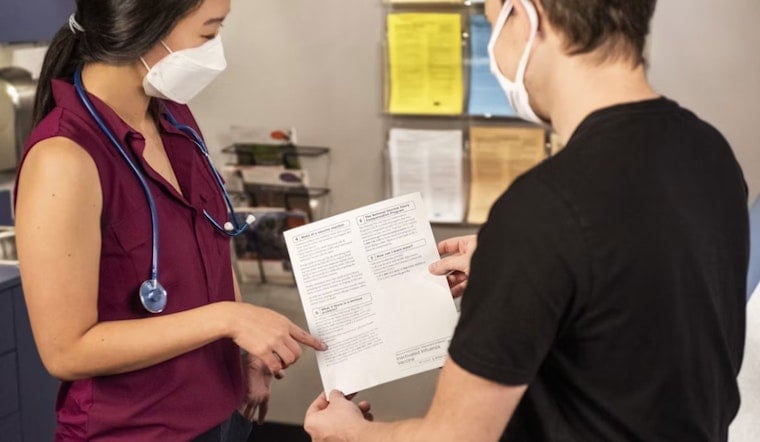
More than one in four Gen Z adults does not have a regular primary care doctor, leaving many young Ohioans piecing their health care together through urgent care clinics, telehealth visits and health apps instead of steady checkups. The pattern, highlighted in a recent university survey and echoed in local coverage, shows many 18-to-29-year-olds skipping annual wellness visits and missing preventive screening windows. Doctors warn that losing those routine touchpoints today can turn into higher disease risk and more expensive care tomorrow.
According to The Ohio State University Wexner Medical Center, a national SSRS poll of 1,006 adults found that just 71% of people ages 18 to 29 reported having a primary care doctor, compared with 97% of adults 65 and older. Even among younger adults who do have a clinician, only 47% said they had an annual checkup in the past year. The same survey reported that 36% of young adults said they would first seek care at an urgent care clinic for non-emergency problems, a choice researchers say can fragment care and weaken prevention. “Having a primary care doctor is especially important when we’re young,” Zachary Bittinger, MD, said in the release, noting that routine visits help catch overdue vaccines and screenings early.
How Gen Z Is Getting Care
Instead of turning to one trusted doctor, many younger patients are bouncing between urgent care centers, retail clinics and quick virtual visits for whatever hurts right now. Coverage of the study in MedicalXpress points to rising use of telehealth and health apps among younger adults, driven largely by convenience and cost. Clinicians say that while on-demand care is fast, the tradeoff is weaker coordination on preventive services and follow up for chronic conditions.
Workforce Pressure Is Growing
The timing could hardly be worse. The U.S. Health Resources and Services Administration projects a shortage of roughly 70,610 primary care physicians by 2038, which would leave many parts of the country, especially nonmetro communities, with far fewer clinicians than patients will need. That looming gap raises the stakes for prevention, since there will be fewer primary care appointments available to catch problems early or keep chronic issues in check. Policymakers and health systems have floated ideas such as expanding training slots and boosting funding for community clinics, but experts caution that those fixes take years to show up in exam rooms.
Local Take And Expert Warnings
Local reporting has put a neighborhood lens on the numbers. As reported by WLWT, public health leaders say annual visits help identify future risks, keep preventive care on schedule and give patients a clinician they know and trust. Other clinicians told the outlet that access to primary care is tightening and many practices are no longer taking new patients. People interviewed in the coverage described a trusted doctor as someone who truly listens and helps them take practical steps toward better health. Survey summaries and health news coverage, including reporting from Drugs.com, also warn that skipping early adult care can increase the chance of disease and lead to higher costs later on.
What Young Adults Can Do Now
For young adults without a primary care clinician, experts suggest starting with your health plan’s provider directory, your employer or student health services, or a local community health center that offers sliding scale care. Telehealth visits and urgent care can handle short term needs, but doctors recommend scheduling an initial annual visit with a primary care provider to set a baseline, update vaccines and line up recommended screenings. Building that relationship now, they say, can keep small issues from turning into major health problems as Gen Z moves into higher need years.



