

























































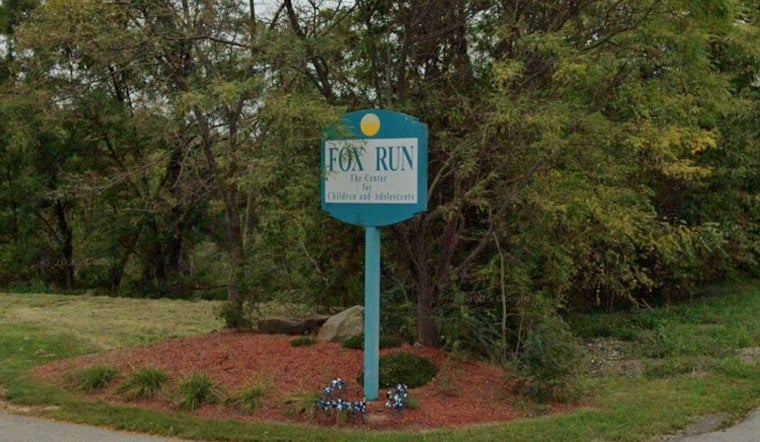
A residential treatment center in eastern Ohio is facing renewed scrutiny after former residents and staff described violence, self-harm, alleged mistreatment and desperate escape attempts inside a facility billed as a safe place for troubled children. The accounts raise uncomfortable questions about how a system meant to protect vulnerable kids can leave some of them dreaming about juvenile detention instead.
An investigation published by Cleveland Scene examined Fox Run Center for Children and Adolescents in St. Clairsville, a privately operated, 100-bed facility owned by Universal Health Services. The center houses boys and girls as young as 5, with placements coming from parents, foster-care agencies and juvenile courts across Ohio and beyond.
The reporting found that law enforcement responded to Fox Run, on average, once every 21 days over a five-year period. County governments have paid the facility millions of dollars to house children with complex behavioral and mental-health needs, making the conditions inside more than a private matter for families: They are also a public spending and oversight issue.
Records Show A Troubling Gap
State inspectors cited Fox Run for unsafe restraints, medical neglect, understaffing and deteriorating conditions, according to the second installment of Cleveland Scene’s investigation. The review also found that Fox Run reported 126 suicide attempts to state inspectors between January 2022 and June 2025.
At least 40 police-involved incidents identified in the records did not appear in state documents, including 21 arrests or transfers to juvenile detention, 15 assaults and nine hospitalizations or emergency medical evaluations. Under Ohio law, residential facilities serving children are subject to state licensing, inspections and rules governing the safety and treatment of residents.
That missing-paperwork problem is especially significant because state databases are supposed to help parents, caseworkers, judges and regulators decide where children can safely be placed. If major incidents never make it into the official record, the next decision-maker may be working with a picture that is incomplete at best.
Escape Was The Point For Some Former Residents
Former residents Paitin Pahoundis and Samantha Primeau described fleeing Fox Run during a snowstorm in January 2022, according to the investigation. Their escape ended with police intervention and medical treatment, but the episode reflected a broader pattern described by former residents who said they ran into fields, toward traffic or tried to hitchhike away from the facility.
Fox Run’s own website describes the center as a residential treatment program for children and adolescents with emotional, behavioral and mental-health needs. The facility says it provides therapy, education and structured programs, but former residents and staff interviewed in the investigation described an environment where restraints, violence and suicidal behavior became recurring features of daily life.
UHS Faces A Larger Behavioral-Health Reckoning
Fox Run’s corporate owner, UHS, has faced broader scrutiny over its behavioral-health operations. In 2020, the U.S. Department of Justice announced a $122 million settlement resolving allegations that UHS facilities billed for medically unnecessary behavioral-health services and failed to provide adequate care, staffing, training or supervision, the company did not admit liability.
A 2024 Senate Finance Committee report separately examined residential treatment facilities operated by UHS and other providers, finding documented risks involving abuse, improper restraints, understaffing and inadequate treatment. UHS has called the committee’s findings incomplete and misleading, while saying that resident safety is its priority and that substantiated staff misconduct can lead to termination.
Ohio Lawmakers Want Regulators To Act Faster
The Fox Run investigation arrives as Ohio lawmakers debate whether state regulators have too much discretion when residential treatment centers rack up serious violations. House Bill 811, sponsored by Rep. Crystal Lett, would amend state law governing behavioral-health residential facilities and require stronger action, potentially including suspended admissions, denied license renewals or closure after severe violations, according to the Ohio House of Representatives.
For families deciding where a child will receive treatment, the central question is painfully simple: Does the facility make a vulnerable child safer, or merely more contained? The scrutiny surrounding Fox Run suggests Ohio’s answer may depend less on what happens behind locked doors than on whether anyone outside them is willing to look closely.



