

























































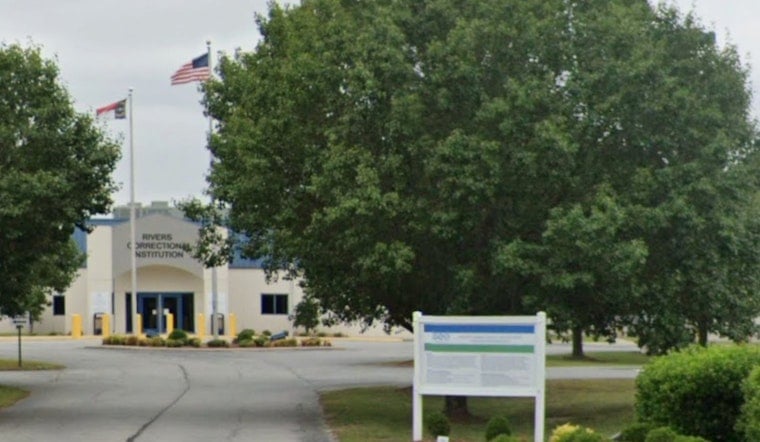
Mecklenburg County staff say they will review the proposal first, and the county Board of Commissioners is expected to take it up at a future public meeting.
According to WCNC, the proposal was submitted on July 24, 2024, and would convert the former Western Youth Institution into a facility used exclusively to house ICE detainees. The filing came from a private detention contractor, WCNC reported, and the county manager said staff will review the paperwork before it is scheduled for commissioners to consider.
Who Filed the Plan?
The WCNC report identified the filer as an entity tied to private detention operators, a detail that has advocates reading the fine print. These firms often bid through subsidiaries and affiliates rather than under their most recognizable corporate names. GEO Group and CoreCivic rank among the largest private ICE contractors, and private companies have in recent months moved to reactivate mothballed prisons for federal detention use.
CoreCivic’s push to reopen a former federal prison in Leavenworth, Kansas, is a recent example of that trend, documented by Transparency Cascade.
How the County Will Review It
Because the site is already a correctional facility, converting it to a new jail use would still trigger staff-level analyses and formal land-use steps under city and county rules. That process includes mailed notices to nearby property owners and a public forum before any permit is issued.
Charlotte’s zoning rules lay out minimum lot sizes, buffers and review steps for jail or prison uses, so the county manager’s office would coordinate with planning, public-safety and environmental staff during the review. Those requirements are spelled out in the Charlotte Code of Ordinances.
Why Neighbors and Advocates Are Watching
Immigrant-rights groups and neighborhood advocates are already signaling concern. They point to oversight and conditions issues at some contracted ICE facilities and argue that conversions like this effectively shift federal detention into local communities without much in the way of robust local input.
The Department of Homeland Security’s Office of Inspector General has flagged problems in contracted facilities, including gaps in grievance handling and medical staffing, in formal reviews of ICE sites, according to the DHS Office of Inspector General. Separately, investigative reporting by ProPublica has documented contested labor and medical-care disputes at GEO-run detention centers.
What’s Next
For now, the filing is parked at an early administrative stage. County staff will finish their review and then decide whether to place the proposal on a commissioners’ meeting agenda, where the public would have a chance to weigh in.
Even if commissioners eventually sign off, any conversion of the former Western Youth Institution into an ICE detention center would still have to clear the full slate of local land-use, permitting and oversight steps before anyone could be locked up there.





