

























































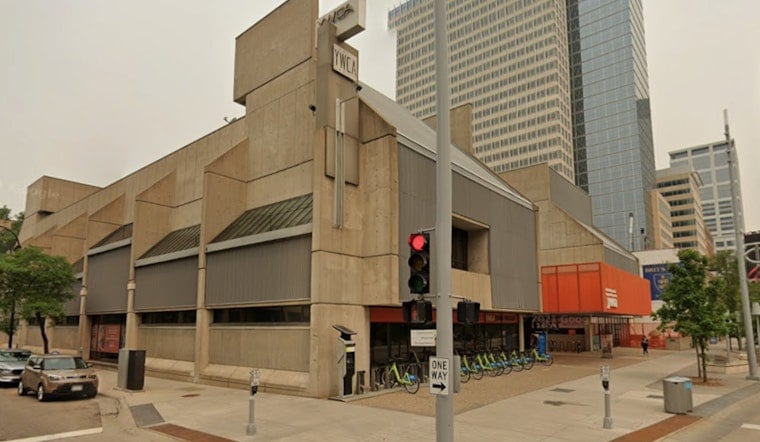
Downtown Minneapolis is about to get a serious upgrade for kids who need extra support. cis turning the former YWCA on Nicollet Mall into a hub of clinics, classrooms and day‑treatment spaces for children with developmental and mental‑health needs. The timing is not subtle: families and clinicians across the Twin Cities say the need for pediatric therapy, autism services and youth mental‑health care is overwhelming the current system.
Renovation timeline and what will change
St. David’s closed on the downtown YWCA property in July 2024 and kicked off a three‑phase renovation that will convert underused fitness areas into therapy and education spaces. Phase 2 started in late June 2026 and is expected to run for about nine months. This round of work includes a new entrance on Nicollet Mall, additional treatment rooms, day‑treatment classrooms and refreshed rooftop play areas. The full schedule and list of upgrades are outlined by St. David’s Center.
What families will find there
Once the dust settles, the remodeled site is set to host occupational and feeding therapy, culturally responsive early‑childhood classrooms, therapeutic recreation and outpatient mental‑health services for children with developmental differences. Much of the former YWCA workout space will become dedicated therapy gyms and classrooms, and leaders have discussed keeping pool space available for aqua therapy. Those program plans and details on the property sale were reported by the Star Tribune.
Waitlists and capacity
The project is driven by sheer volume of need. St. David’s has reported a waiting list of more than 2,000 children and families seeking pediatric therapies and mental‑health services, and its 2023 annual report breaks down how many people are served in each program. Local coverage has estimated that Phase 2 alone could bring downtown capacity into the low thousands, at roughly 1,100 children, while St. David’s internal planning documents indicate a full build‑out could serve about 2,000 children a year. See St. David’s annual report and recent coverage by MinnPost for details.
State and national data show the gap
The broader numbers do not exactly calm nerves. Mental Health America’s State of Mental Health analyses show that in 2022–2023, more than half of youth who experienced a major depressive episode received no treatment at all. Minnesota’s position on MHA’s youth rankings also slipped between the 2024 and 2025 reports. Those rankings and the underlying indicators appear in MHA’s annual publications and data dashboards. For the data, see MHA’s 2024 report and its 2025 update.
Autism prevalence rising in the Twin Cities
Local autism surveillance paints a similar picture of strain. Minnesota’s ADDM project at the University of Minnesota found that about 1 in 28 eight‑year‑olds in parts of the Twin Cities were identified with autism in 2022, and about 37% of children with recorded IQ results also had intellectual disability. “The proportion of children with autism plus intellectual disability is stable, between 30–40%,” said Dr. Amy Esler of the MN‑ADDM team. The University of Minnesota’s MN‑ADDM materials summarize those findings.
Reaction from families and downtown groups
Advocates see the new space as a big step, even if it is not a magic fix. St. David’s leaders have emphasized that a renovated building will not instantly erase months‑long waits for care. “Families are struggling and children are struggling more than they ever had,” St. David’s CEO Julie Sjordal told the Star Tribune. Parents quoted in recent coverage also noted that many families still do not realize the full range of services already available in the metro.
As part of the transition, the YWCA will lease back a portion of the site so its downtown early‑childhood program can keep operating in the building, a compromise that local leaders have framed as a win for both continuity and expansion of services.
Construction is expected to stretch through the coming year, with St. David’s and its contractors sharing updates while trying to keep clinic operations running amid the renovations. For families, the Nicollet Mall project promises more nearby, culturally responsive care options. It is also a reminder that one high‑profile overhaul in downtown Minneapolis is only a piece of the larger work needed to close statewide gaps in support for kids.





