

























































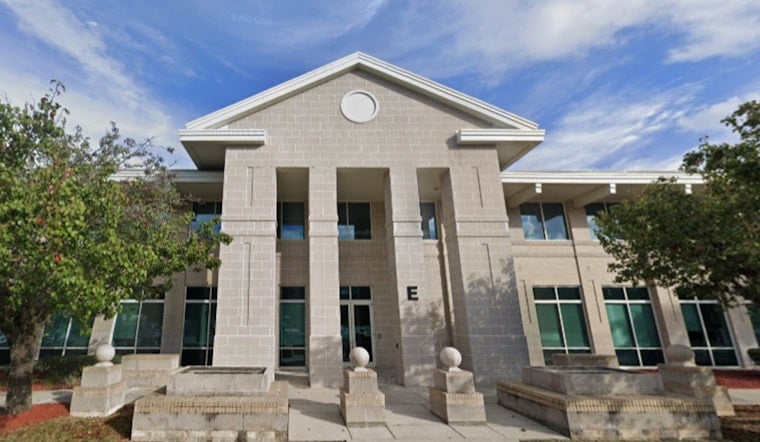
Florida agents just wrapped a three-day blitz in Alachua County, and it ended with 25 people from Florida’s sex-offender registry in handcuffs. The crackdown, dubbed Operation Get 'Em Gator, focused on roughly 80 registrants and, according to official numbers, resulted in 16 arrests of sexual offenders and nine arrests of sexual predators. Everyone taken into custody was booked into the Alachua County Jail on registration-related charges.
According to a July 7 press release from FDLE, the agency’s Missing Persons and Offender Enforcement Division - working with the Jacksonville Regional Operations Center, the Gainesville field office and the Alachua County Sheriff’s Office - led the sweep. FDLE said analysts with its Offender Enforcement and Apprehension Unit ran investigative queries before officers knocked on doors, work that helped flag unreported or incorrect registration information.
How the sweep worked
Investigators carried out verification interviews with all 80 registrants and arrested those they say failed to follow Florida’s reporting rules. As reported by CBS12, the alleged violations include failing to report vehicles, phone numbers, email addresses and internet identifiers, as well as knowingly providing false information. FDLE described the effort as a coordinated, three-day compliance operation that paired state analysts with local deputies for in-person checks.
Who was arrested
FDLE released the names of all 25 people arrested, a mix of older long-term registrants and younger offenders. The list includes sexual predators such as Melvin Brown, 81, Little Fogarty, 64, and Steve Stacy, 61, along with sexual offenders including O’Meun Johnson, 26, and Alejandro Rivera, 25. The agency’s notice provides the full roster and classification status for each person arrested, and officials say all of them were booked into the county jail.
What happens next
According to local coverage, all 25 suspects were booked into the Alachua County Jail, and their cases will be handled by the Office of the State Attorney for the Eighth Judicial Circuit. Prosecutors will determine formal charges and next steps as deputies forward investigative reports and booking records to the state attorney’s office. Community members can track public records for filings and court dates as the cases move through the local system.
Registry basics and context
Florida law requires people convicted of qualifying sexual offenses to register with detailed personal and contact information and to report specified changes. The frequency and content of reporting differ for sexual offenders and sexual predators. The registration rules and the items registrants must report - including vehicles, phone numbers, email addresses and internet identifiers - are set out in state statute, which provides the legal backbone for enforcement sweeps like this one. Residents who want to check the registry can search the state database or use FDLE’s mobile tools for up-to-date information.



