

























































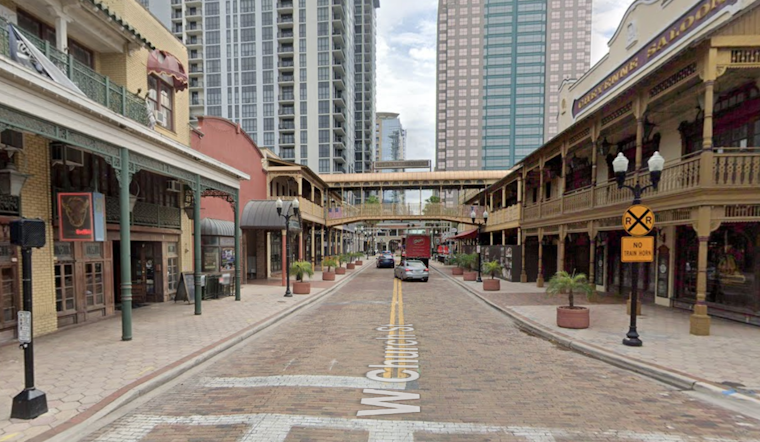
Orlando is floating a 10-year property-tax rebate that it hopes will finally lure developers into breathing life back into long-empty, historic buildings in the core of downtown. The Community Redevelopment Agency advisory board is slated to dig into the idea at a budget workshop on Wednesday, Aug. 19. The timing is no accident, coming just as crews break ground on the first phase of the Church Street festival-street project, a very public wager that new sidewalks and streetscapes can spark private cash to follow.
According to the Orlando Business Journal, the proposed incentive would refund a portion of property taxes for up to 10 years for qualifying rehabs inside the downtown core. City staff plan to present the program to the Community Redevelopment Agency Advisory Board on Aug. 19 as part of a broader toolkit meant to kick-start downtown redevelopment.
The Downtown Development Board's public calendar also shows an Aug. 19 DDB/CRA advisory budget workshop, a regular stop for incentives that need vetting before they move up the chain. The Downtown Development Board directs residents and developers to meeting packets and minutes where supporting documents are posted ahead of these workshops.
What Is In City Hall's Crosshairs
City officials have zeroed in on the Downtown Historic District and nearby blocks, areas packed with underused storefronts and vacant upper floors that stubbornly refuse to fill up. As reported earlier by the Orlando Business Journal, the city has been testing new tools, including tax rebates, to make expensive historic rehabs pencil out for private developers. Supporters argue a 10-year rebate could help plug the financing gaps that often stop adaptive-reuse projects right at the spreadsheet stage.
Church Street Makeover Is Already Underway
On the street, the most visible signal of this strategy is the Church Street Festival Street project, which kicked off construction in early July. Crews are working on the first phase between Garland Avenue and the rail corridor. The City of Orlando describes the makeover as a curb-free festival street with upgraded sidewalks, loading zones, landscaping and seating in a City of Orlando release. David Barilla, executive director of the Downtown Development Board and CRA, told MyNews13 the effort takes on something that really defines what Church Street was known for.
What Happens Next
The Aug. 19 workshop is the scheduled public shot for the advisory board to scrutinize the proposed rebate program, from eligibility rules to fine print, before issuing any formal recommendations. Supporting documents and minutes for DDB and CRA advisory meetings are typically posted on the board's meetings page so residents, property owners and developers can read the details in advance. If the advisory board backs the plan, it would move forward through the city's standard review and approval process.
Why It Matters
Property-tax rebates are a familiar play in the urban-redevelopment playbook. Cities use them to make costly projects work financially by returning a slice of future tax growth to the development for a set number of years. Nearby examples, including incentive bundles and multi-year tax rebates used by the Downtown Investment Authority in Jacksonville, show how local governments try to trade short-term tax forgiveness for the longer-term payoff of a busier, more valuable downtown.
In Orlando's case, the big local questions are which historic buildings will qualify, how much of the tax bill will be rebated and whether the bump in downtown activity will justify the public cost. How the Community Redevelopment Agency advisory board handles the proposal on Aug. 19 will be the clearest early signal of how aggressively the city is willing to lean on tax incentives to revive its historic core. For now, the cranes and construction fencing along Church Street offer a very real backdrop to what could become one of the most consequential downtown policy calls in years.




