

























































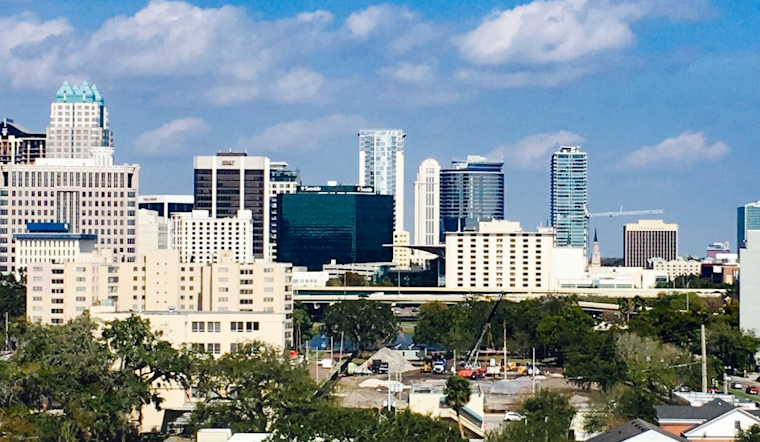
Orlando rolled into Friday, July 3, under sticky, clear skies and temperatures already in the upper 70s, with humidity doing the rest of the work. The city is headed for a hot afternoon, with a high near 94°F, and scattered showers or thunderstorms most likely after about 2 p.m. Holiday weekend plans will feel hotter than whatever the thermometer is politely suggesting, and passing storms could briefly crash outdoor events. Keep an eye on radar and have a fast backup plan for lightning or heavy downpours.
Afternoon Storms
Sea-breeze collisions will fire up scattered to numerous storms each afternoon, with roughly a 50% chance of storms in Orlando later today and the greatest coverage inland and along the I-4 corridor. Most storms should stay on the messy and disorganized side, but their slow movement raises the risk of frequent lightning, brief heavy rainfall and isolated downburst gusts up to 45–50 mph. Rain totals today should be light for many neighborhoods, although stronger storms on Saturday, July 4, could drop a half to three-quarters of an inch in spots, according to the National Weather Service in Melbourne.
Heat And Safety
Heat indices are expected to surge into the 100–107°F range through the holiday weekend, creating a Moderate to localized Major heat risk across east-central Florida. Orange County has lowered its activation threshold to 103°F and will offer free LYNX bus rides to county cooling locations once that trigger is hit, so residents who need a cool place are encouraged to plan ahead (Orange County). Drink plenty of water, limit hard outdoor work during the hottest part of the afternoon, and never leave children or pets in parked vehicles.
Beaches And Boaters
Beaches along east-central Florida carry at least a moderate rip-current risk through the Fourth of July weekend, with seas generally around 2–3 feet and locally higher waves near storms. Swimmers and boaters should follow lifeguard instructions and warning flags, and head for shore if lightning is in the area, since gusty winds and sudden squalls can move in with little warning. Check the National Weather Service for real-time coastal updates before you go.
Plan to move outdoor events inside between roughly 2 p.m. and 8 p.m., when storms are most likely, and build extra time into travel plans in case you hit brief but heavy downpours. Heat advisories or coastal warnings could still be issued, and those will be important to watch as the holiday weekend unfolds.





