

























































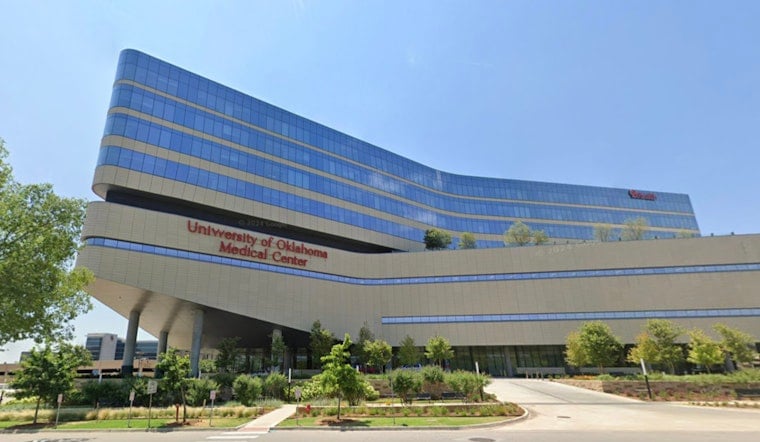
OU Health is sending its doctors-in-training out of traditional exam rooms and into Oklahoma City’s shelters and day centers, launching a Street Medicine and Advocacy Pathway that teaches residents to deliver primary care while navigating the realities of homelessness.
The new pathway places internal medicine and family medicine residents at low-barrier sites and shelters so they can practice medical care right alongside case management and housing navigation. The idea is straightforward and a little radical at the same time: learn medicine where patients actually are, not just where the appointment books say they should be.
The program is backed by a multi-year award from the U.S. Health Resources and Services Administration. OU described the funding as a five-year, $1 million grant and said residents will participate in structured eight-week rotations that split time between a federally qualified health center clinic and community partners, according to OU News. Local coverage cited the award as "more than $2 million" from HRSA, reflecting a different figure reported in launch coverage by KOSU.
Residents learning on site
Corbin Lee, among the first residents to enroll in the pathway, told KOSU, "I wanted to get more hands-on experience," and said the rotation quickly revealed how much of the job is helping people secure benefits, find shelter and keep up with prescriptions. Treating blood pressure or infections is only part of the work; making sure patients can actually fill a script or stay in one place long enough to recover is another.
Program leaders say pairing clinic shifts with time at shelters and food banks is intentional. It is designed to train residents to be physician advocates as well as clinicians, comfortable coordinating care, speaking up on policy and working shoulder to shoulder with case managers and housing navigators.
Clinic inside the day shelter
Clinical training takes place in part at Healing Hands Health Care Services, which offers primary care and walk-in services tailored to people experiencing homelessness. The clinic provides everything from immunizations to a medication dispensary and referrals for specialty care, according to the clinic's site maintained by Community Health Centers, Inc.
The Healing Hands location operates as a low-barrier access point inside the Homeless Alliance day shelter so patients can see a clinician during the same visit when they stop in for other services. For someone juggling transportation problems, safety concerns and basic survival, having health care embedded in a place they are already going can be the difference between getting care and going without.
Numbers that make the training urgent
Local data show why this kind of training is not a luxury. Oklahoma City's 2026 Point-in-Time Count recorded 1,867 people experiencing homelessness, and the city reported that roughly 20% of those counted reported a serious mental illness while about 10% reported substance use disorders, according to the City of Oklahoma City's annual PIT release.
City leaders and the Key to Home Partnership say that coordinated services and targeted rehousing efforts are beginning to bend the trend line, yet the numbers still highlight significant gaps. Street medicine teams and low-barrier clinics are meant to help fill some of those gaps, particularly for people who struggle to connect with traditional care.
Evidence on outcomes
Research has long shown how high the stakes are for people without stable housing. Multiple peer-reviewed studies have found dramatically higher mortality and substantially shorter life expectancy among people experiencing homelessness compared with housed populations. A review of mortality findings in the literature, published in PLOS ONE, underscores why clinical training in low-barrier, community settings matters.
Program leaders say the Street Medicine and Advocacy Pathway aims to graduate clinicians who can meet patients where they are and help close the loop between diagnosis, treatment and follow-through with housing and benefits. Residents involved in the pilot say the experience is already shaping how they expect to practice, with a focus on relationships, coordination and the everyday problem-solving that helps keep people housed and healthy.





