

























































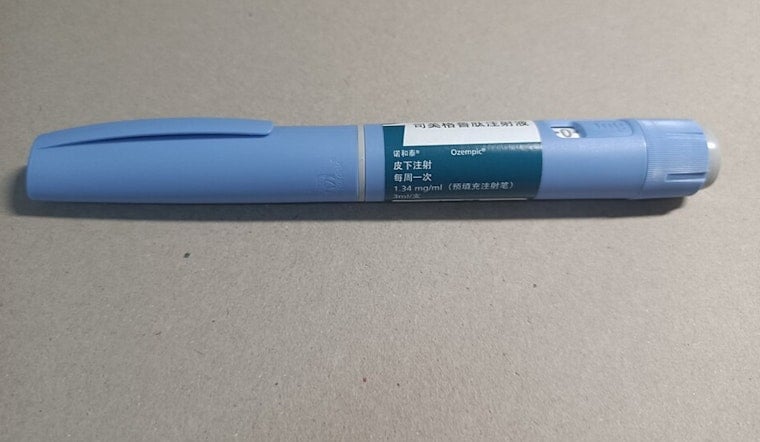
In dining rooms across Cleveland, the party is still on, but the plates and bar tabs are getting noticeably smaller. A new Ohio study suggests Ozempic and other GLP-1 medications are quietly reshaping how restaurant guests order, from skipped cocktails and desserts to split entrées and half portions, leaving many operators with full seats but lighter checks.
Study Details And Local Impact
The findings come from a survey commissioned by the Ohio Restaurant & Hospitality Alliance and conducted with Ohio State researchers that asked 923 current, former and non-users of GLP-1 medications about their dining habits. The study found that 66% of current and former GLP-1 users reported cutting back on restaurant spending after starting the medications, and roughly 46% said they skip desserts, sugar-sweetened beverages and alcohol when they dine out, according to Cleveland.com.
Operators told researchers they are seeing that restraint play out on the floor. About 40% reported more requests for smaller portions or split entrées, even as overall traffic holds steady. Yet only about 9% of restaurants say they currently mark menu items as GLP-1-friendly, suggesting most guests are quietly editing their own orders rather than relying on labels.
Researchers And Restaurateurs Weigh In
Brian Roe, the Van Buren Professor at Ohio State who led the project, said the data signal a clear path for adapting without losing loyal regulars. He told reporters that diners on GLP-1s still care deeply about the social experience of going out to eat, even as they order differently, and that restaurants can preserve both traffic and revenue by leaning into flexible portion sizes, shareable plates and clearly labeled lighter options, as reported by Spectrum News.
The Ohio Restaurant & Hospitality Alliance has framed the research less as a warning and more as a playbook. The group describes the findings as a practical roadmap for operators trying to adjust to GLP-1-driven habits without overhauling their entire concept, according to the Ohio Restaurant & Hospitality Alliance.
National Trends And Menu Responses
What is happening in Cleveland mirrors national patterns. Circana and other surveys show that GLP-1 users are still dining out, but they are ordering with more intention: they gravitate toward entrées instead of loading up on sides, add vegetables, and often skip alcohol and desserts, according to Restaurant Dive.
In response, chains and independents across the country have started spotlighting protein-forward dishes and lighter portions to appeal to these guests, and industry analysts say that clearer labeling and smarter menu design can help operators keep average checks from slipping even as the mix of items changes, per Food & Drink Life.
How Kitchens Are Adapting
Some kitchens are already testing out what this new normal looks like. Cuba Libre in Philadelphia, for example, rolled out a lighter menu that trims portion sizes and swaps in more protein-forward options, and managers there say those smaller-portion sections have broad appeal beyond GLP-1 users. Chefs told reporters that modestly sized plates can cut down on food waste while still selling at a slightly lower price, all without compromising the overall experience, according to WHYY.
Back in Ohio, restaurateurs who participated in the study said they are watching the trend closely and looking for ways to build in more flexibility without throwing kitchen workflows into chaos. For Cleveland’s restaurant scene, the takeaway is relatively straightforward: guests are not disappearing, their orders are evolving. If menus catch up with those habits, with shareable starters, half portions and protein-first options, operators can keep dining rooms bustling while protecting revenue, the study and local restaurateurs suggest, as reported by Cleveland.com.





