

























































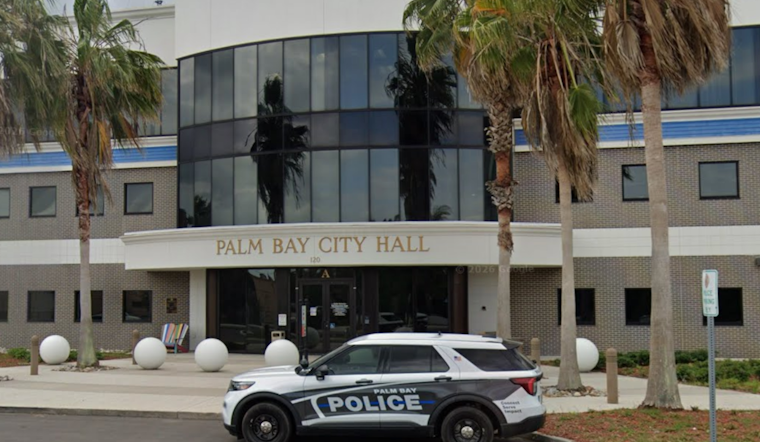
Palm Bay’s City Council has inched its property tax rate down while warning that a looming statewide tax change could blow a massive hole in city finances.
The council voted 4-1 to set a tentative millage rate of 6.6 mills for the coming fiscal year, trimming it from the current 6.7 mills. City officials said that because property assessments are rising, the lower rate should still generate roughly the same overall revenue as last year. Mayor Rob Medina cast the lone no vote and warned that setting the cap lower could leave Palm Bay underprepared if a major storm or other catastrophe hits. Council members also pointed to a proposed state constitutional amendment on the November ballot that city staff estimate could strip about $46 million from Palm Bay’s ad valorem collections. The first public hearing on the proposed rate is scheduled for Sept. 9 at 6 p.m. in City Hall.
According to WKMG ClickOrlando, commissioners backed the 6.6-mill ceiling by a 4-1 margin and said the reduced cap should leave property tax revenue roughly level because assessed values climbed this year. The station reported that Mayor Medina cautioned the council, “If we set it at the 6.6, we can never, on this, if we have a catastrophe.” City leaders told the council the constitutional amendment on the ballot, which would need at least 60% voter approval, could substantially shrink local tax bases and force difficult service decisions.
City staff recommended advertising a maximum rate close to the calculated “rolled-back” level of about 6.6015 mills, while at the same time drafting a budget scenario built around a much lower 5.5-mill rate to show how deeper cuts would play out. The Palm Bayer reviewed staff materials indicating the Brevard County Property Appraiser certified Palm Bay’s taxable value at roughly $11.1 billion. That higher value drove the rolled-back calculation down and let the council advertise a slightly lower ceiling without reducing total expected revenue. City budget documents confirm that property taxes remain the single largest General Fund revenue source, according to the City of Palm Bay.
What the state measure would change
The Legislature placed a joint resolution on the November ballot that would expand the non-school homestead exemption to $150,000 in 2027 and $250,000 in 2028, tighten limits on how fast assessments can grow, and restrict certain uses of ad valorem revenue. The Florida Revenue Estimating Conference projects multi-billion-dollar losses to local non-school property tax collections in the first years after enactment. Counties and cities across the state are pointing to those numbers as they warn residents about potential layoffs and service reductions if the measure passes.
Council's next steps
Council members agreed to delay detailed contingency planning until after the November election so staff can model the amendment’s real-world impact if it is approved by voters. Commissioner Kenny Johnson criticized the proposal as “an overreach of the state” and warned that it could result in “reducing police officers and firefighters and other services that are expected at this time,” as reported by WKMG ClickOrlando.
Residents who want to track the debate can find agendas, meeting packets and live streams on the city’s website. The council’s schedule and hearing notices are posted on Palm Bay’s meetings page, and the City of Palm Bay lists how to tune in and where to download the full agenda packet ahead of the Sept. 9 hearing.




