

























































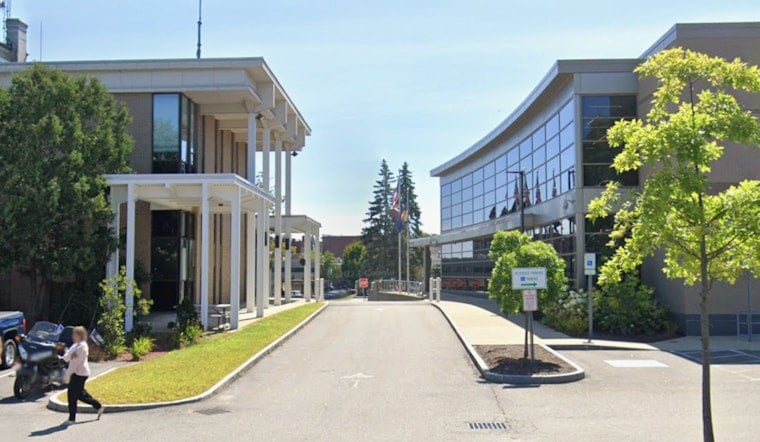
Pamela Smart is set to appear virtually in a Concord courtroom on Monday, taking another swing at the 1991 conviction that put her behind bars for life. Her legal team has filed a new habeas petition that claims her trial was fatally skewed by wall-to-wall media coverage and by written transcripts that, they say, put words into muddled recordings. The New Hampshire Department of Justice wants the case tossed, setting up a fresh legal showdown over evidence from one of New England’s most infamous murder cases.
What Smart’s lawyers say
Smart’s attorneys argue in a January petition that prosecutors gave jurors printed transcripts that attributed statements to her that cannot actually be heard on the original tapes. They say the problem only gets worse when jurors listen to fuzzy audio while following along with a script that tells them what they are supposedly hearing.
“Modern science confirms what common sense has always told us: when people are handed a script, they inevitably hear the words they are shown,” attorney Matthew Zernhelt wrote in a statement quoted by The Associated Press. The petition also contends that intense pretrial media coverage blurred the line between allegation and proof, undercutting Smart’s right to an impartial jury.
Prosecutors push back
The New Hampshire Department of Justice responded in late May with a 34-page filing asking Merrimack County Superior Court to dismiss the petition outright. The state calls the scientific study cited by Smart’s team “manufactured” for this case and argues the claims do not hold water as a matter of law.
Prosecutors emphasize that the trial judge repeatedly instructed jurors to rely on what they actually heard on the recordings, not on the printed transcripts. The reply, signed by Solicitor General Anthony J. Galdieri, asks the court to reject the petition and deny any request for an evidentiary hearing, according to the Union Leader.
What to expect at the hearing
Smart is expected to appear remotely on Monday as the court decides whether to rule based solely on the written filings or to schedule additional proceedings, according to WHDH. The state is pushing for a decision without an evidentiary hearing, arguing that even if the defense allegations are taken at face value, the petition fails on legal grounds.
University of New Hampshire law professor Daniel Pi told WMUR that jurors are presumed to follow the judge’s instructions, a point the state leans on heavily in its brief, and that a dismissal is a very real possibility.
Background
The case dates back to May 1, 1990, when 24-year-old Gregory Smart was shot to death in the couple’s Derry condominium. Pamela Smart was convicted in 1991 as an accomplice to first-degree murder and sentenced to life without the possibility of parole. The teenage gunman and other co-conspirators were later released on parole.
Those core facts, along with Smart’s decades of appeals, clemency efforts and renewed legal filings, are laid out in contemporary news coverage and court records, according to The Associated Press.
Legal implications
If the judge sides with the state and grants its motion, Smart’s latest petition will likely be dismissed without an evidentiary hearing, sharply limiting her immediate options. Should the court instead allow a hearing, attorneys say the review would be narrow, focused on whether the use of transcripts and the related jury instructions prejudiced Smart’s trial, an issue the state argues has already been settled on appeal.
The state’s reply urges the court to dismiss the petition in full and is signed by Solicitor General Anthony J. Galdieri, according to the Union Leader.





