

























































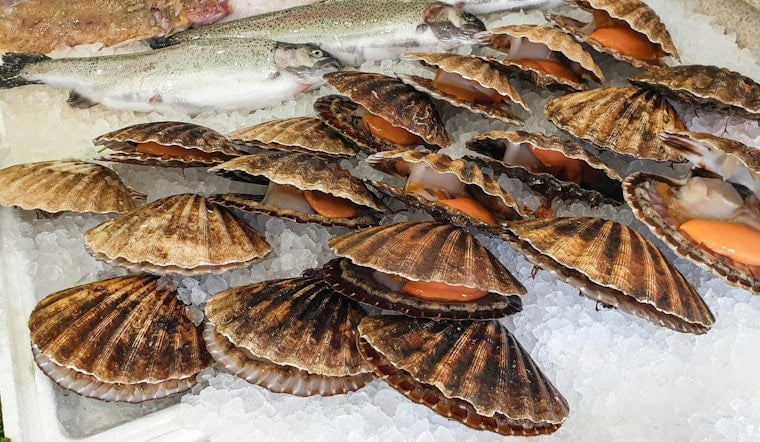
For about six weeks every summer, Pasco County’s quiet Gulf Coast turns into a full blown shellfish rush. Scallop season is short, crowded, and incredibly lucrative, pulling in tens of thousands of visitors and pumping serious money into marinas, charter boats, tackle shops, and waterfront restaurants.
The run, roughly 40 days from mid July through mid August, funnels tourist spending into a handful of blockbuster weekends that many small businesses count on to carry them through the slower parts of summer. Along the Anclote River and the New Port Richey waterfront, owners say those scallop heavy Saturdays and Sundays can move the needle on the entire season’s revenue.
Pasco County estimates that last year’s scallop season drew more than 34,500 visitors who spent nearly $7.5 million and generated almost $11 million in total economic impact for the local economy, according to Tampa Bay 28. County officials and the destination brand say the tight window helps turn casual day trippers into overnight guests, filling hotel rooms and barstools instead of just boat ramps and parking lots.
Season Dates And Promotion
This year’s 40 day season runs July 10 through Aug. 18, and Pasco’s tourism team is not exactly shy about promoting it. The county’s destination brand has been handing out free scallop sorters and hosting influencer trips to spotlight the fishery and the waterfront scene, according to Florida’s Sports Coast. The pitch is simple: turn what used to be a quick out and back on the water into a multi night stay that spreads cash across hotels, bars, and local shops.
Where This Year Fits In
The scallop bump has not been the same every year. Previous uninterrupted runs have sometimes pulled in about 40,000 visitors and nearly $12 million in economic impact, according to Axios Tampa Bay. Seasons that got cut short or paused for water quality concerns landed lower.
Those stops and starts, driven by Florida Fish and Wildlife Conservation Commission sampling and algae worries, have become a pointed reminder for coastal businesses that their summer fortunes are tied to clean water and timely state calls on whether the season can stay open, as reported by Axios Tampa Bay.
Local Businesses Say It Matters
On the docks and in the kitchens, operators say you can feel scallop season arrive. Charter calendars fill, traffic thickens, and restaurant menus tilt heavily toward whatever just came off the boats.
"The important thing about scallop season is it turns this town ... everybody gets together," Roger Aguilar of Riviera Water Sports told Tampa Bay 28. Over at Sasha’s On the Park, owner Nicolle Torres said pan seared scallops become a seasonal staple for repeat customers who plan their visits around the harvest, according to Tampa Bay 28.
Regional Context And Conservation
Researchers say the scallop bump is very real, even if it is tightly focused in space and time. Economic assessments of neighboring counties by UF/IFAS have tracked how brief recreational scallop seasons translate into lodging, dining, fuel, and marina spending that ripples through coastal communities, according to UF/IFAS Extension.
Those same analyses stress that keeping the cash flowing depends on keeping the resource healthy. Protecting seagrass habitat and managing harvest pressure remain central to making sure the scallop fishery can keep supporting summer crowds, per UF/IFAS Extension.
Planning A Trip: Rules And Safety
For anyone gearing up to join the hunt, the state rulebook matters as much as the tide chart. Scallopers have to follow daily and vessel limits, use a diver down flag, and most harvesters need a Florida saltwater fishing license, according to the Florida Fish and Wildlife Conservation Commission.
Boaters also need to keep one eye on the sky. Typical Florida summer afternoons can bring fast building thunderstorms that clear the flats, cut trips short, or force captains to cancel entirely, according to the Florida Fish and Wildlife Conservation Commission.
For Pasco County, scallop season is more than a quirky coastal pastime. It is a concentrated economic engine that helps small waterfront businesses survive the dog days of summer. Local officials and owners say the long term trick will be balancing growth with environmental stewardship so that the underwater treasure hunt stays viable for the next generation of scallopers and the next wave of local entrepreneurs.





