

























































A 60-year-old Pelham man is accused of turning a dead neighbor’s pension account into a long-running renovation fund, allegedly withdrawing more than $143,000 after the retired school employee died in 2020. The alleged withdrawals began within weeks of the death and continued until the pension system caught the problem years later.
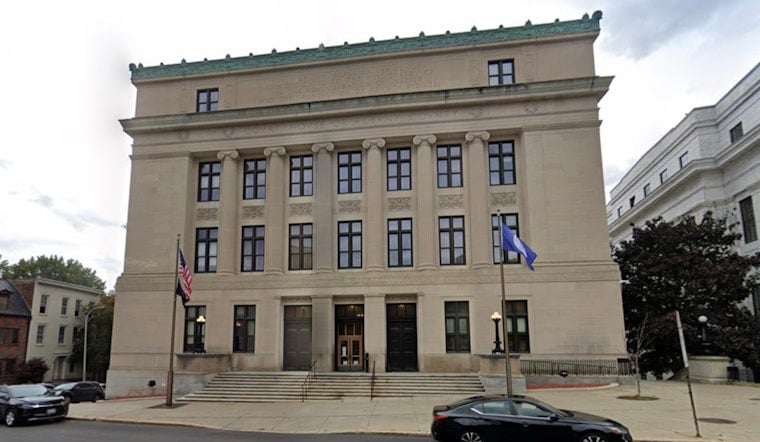
Danilo Pesce pleaded not guilty Friday in Albany County Court to one count of grand larceny in the second degree, according to a court filing from the New York Attorney General’s Office. The charge is an accusation, and Pesce is presumed innocent unless he is convicted.
Payments Kept Landing After Morgan’s Death
According to the Yonkers Times, Jack Lee Morgan retired from the Pelham school district in 1991 and had no living beneficiary when he died in March 2020. The New York State Teachers’ Retirement System continued depositing $3,497 each month into Morgan’s bank account because it had not been notified of his death until April 2024.
The Attorney General’s investigation alleges Pesce began withdrawing money on March 17, 2020, less than a month after Morgan died. Pesce allegedly used the funds for maintenance and renovations at Morgan’s Pelham home, where he and his wife lived part-time, according to the Attorney General’s Office.
NYSTRS eventually determined it had paid $171,879 after Morgan’s death and stopped the payments in April 2024. The system recovered $28,594 that remained in the account, while investigators say withdrawals totaled $143,385, as detailed by the Yonkers Times.
Charge Could Bring Up To 15 Years
New York law defines grand larceny in the second degree as stealing property worth more than $50,000 and classifies it as a Class C felony, according to the New York State Senate. If convicted, Pesce could face a prison term of up to 15 years, though any sentence would depend on the court and the outcome of the case.





